

Coyote Hunting Tips and Thermal Gear Guide
Coyote hunting is unlike any other predator pursuit. Coyotes are intelligent, adaptable, and highly sensitive to pressure. They learn quickly, travel long distances, and can disappear into cover just as fast as they appear. That combination makes them one of the most challenging game animals to consistently outsmart.
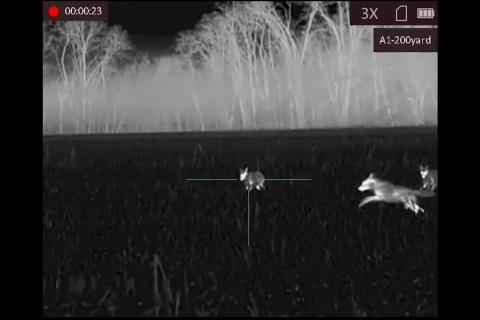
In recent years, thermal optics and night hunting gear have become essential tools for effective predator control. As coyotes become more nocturnal and wary, thermal imaging allows hunters to detect movement, identify targets, and hunt ethically in low light conditions that were once nearly impossible.
In many states, expanded winter and January coyote seasons have opened additional opportunities for hunters focused on livestock protection and wildlife balance. This guide is designed to help both new and experienced hunters improve success in the field while choosing the right thermal gear for their hunting style, terrain, and budget.
Understanding Coyote Behavior
Seasonal Movement Patterns
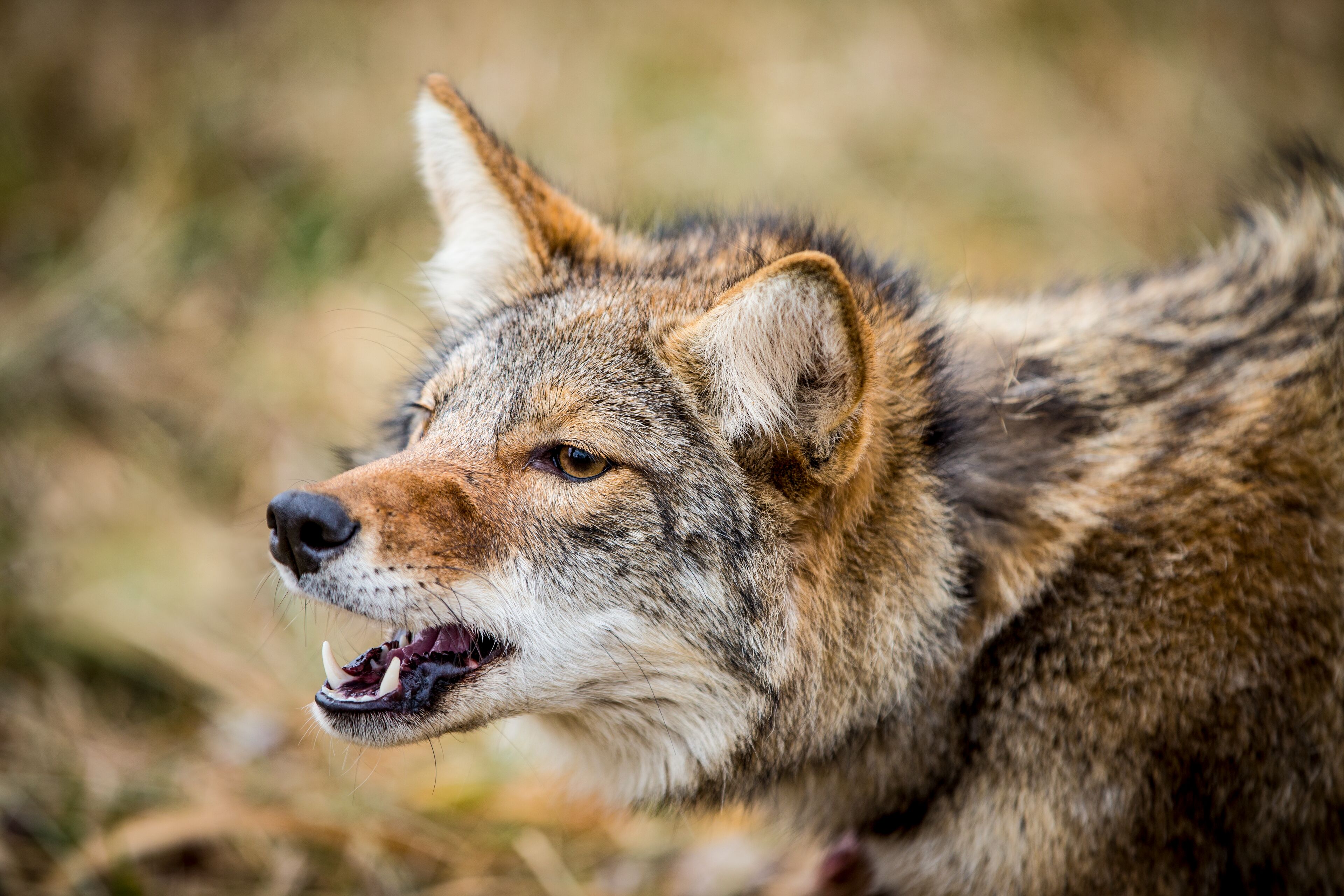
Coyotes are active year-round, but winter is one of the best times to hunt them. Food sources are limited, breeding season begins, and coyotes travel more frequently during daylight and nighttime hours. During colder months, they cover larger areas in search of prey, making them more responsive to calls.
The best time to hunt coyotes often aligns with late fall through early spring when fur is prime and patterns are more predictable.
Night Activity and Environmental Factors
Coyotes are primarily nocturnal or crepuscular, especially in pressured areas. Moon phase, temperature, wind, and snow cover all influence movement. Clear, cold nights often produce the most visible activity, while wind and precipitation can limit movement and sound travel.
Understanding night coyote behavior is critical. Coyotes often circle downwind, pause at cover edges, and approach cautiously rather than charging straight in.
Pack Dynamics vs. Solo Coyotes
During breeding season, coyotes may travel in pairs. Outside of that window, solo animals are common. Packs may respond aggressively to territorial vocalizations, while lone coyotes are more likely to investigate prey distress sounds.
Why Thermal and Night Vision Are Effective
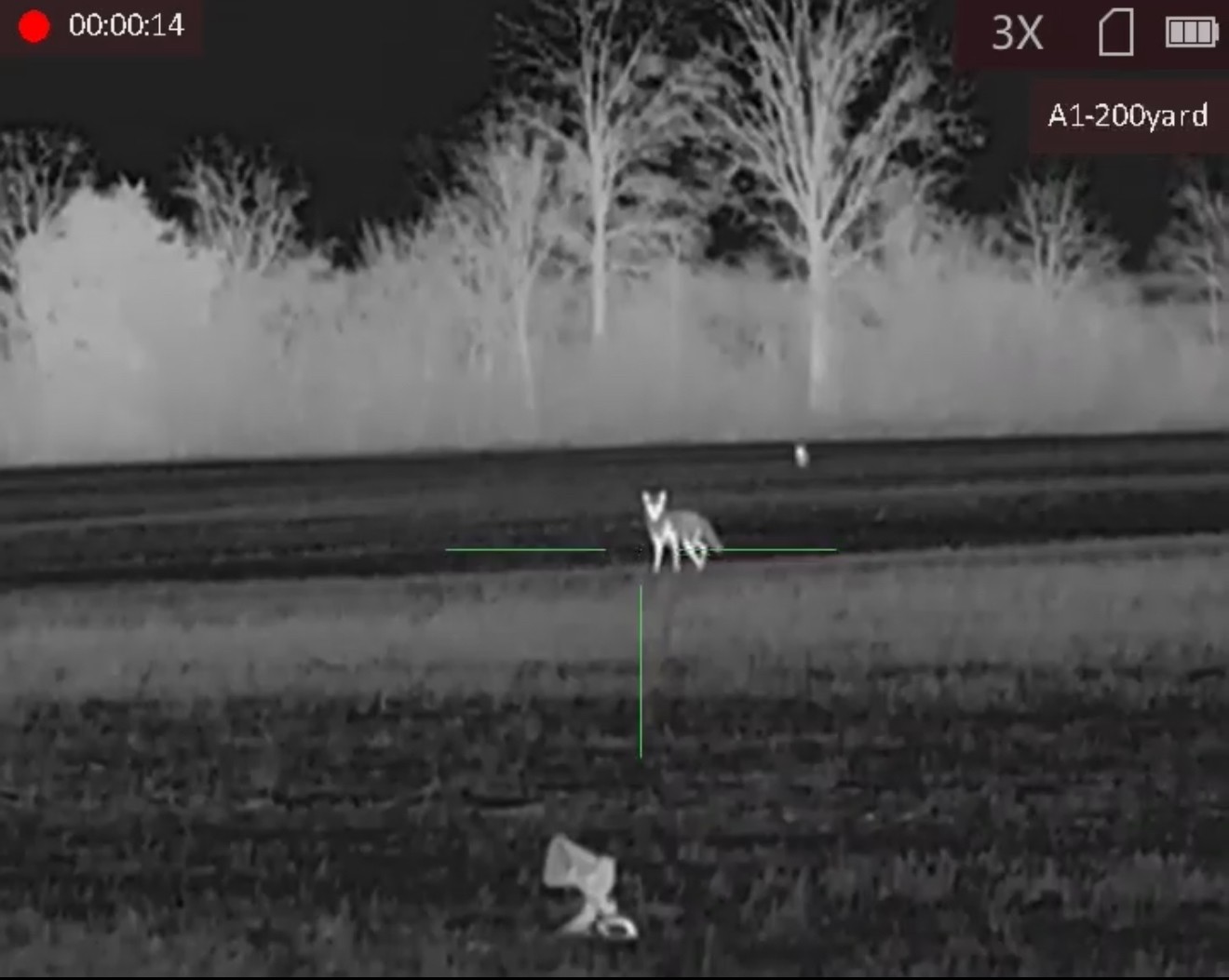
Thermal optics detect heat rather than light, allowing hunters to spot coyotes through brush, grass, and darkness. This makes thermal especially effective for identifying movement patterns, tracking approaching animals, and confirming safe target identification at night.
Essential Gear for Coyote Hunting
Thermal Optics Overview
Thermal imaging works by detecting heat signatures emitted by animals and objects. Unlike night vision, which amplifies ambient light, thermal optics work in complete darkness, fog, and light cover.
Thermal vs night vision comparison
- Thermal excels at detection and tracking
- Night vision provides more detail but requires some light
- Thermal performs better in brush, tall grass, and moving targets
For predator hunting, thermal often provides faster target acquisition and higher success rates.
Must Have Gear List
A well-prepared coyote hunter focuses on both detection and execution.
Core gear includes
- Predator rifle with proven calibers like .223, .204 Ruger, or .22-250
- Thermal scopes for shooting and handheld thermal scanners for detection
- Electronic calls and mouth calls for versatility
- Tripods or shooting sticks for steady shots
- Red or green lights where legal and appropriate
- Wind indicators, powder, or lightweight streamers
- Cold weather clothing with proper layering and insulation
-
Athlon Cronus ATS Pro 25P-250 Thermal Imaging Rifle Scope
$749.99- 3.6-14.4X Magnification
- 25mm F1.0 lens system
- 12μm pixel sensor with NETD 25mK
- Up to 9 hours of battery life
-
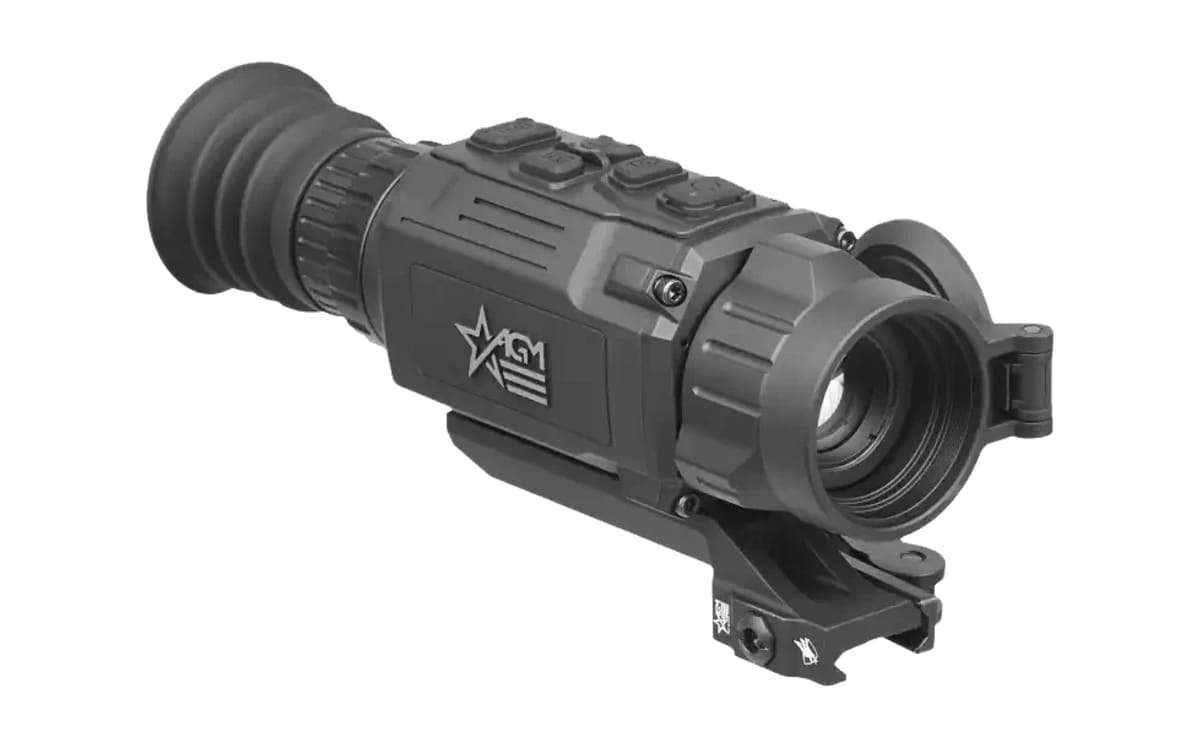
AGM Global Vision Rattler V2 19-256 Thermal Imaging Rifle Scope
$995.00- 1X, 2X, 4X, and 8X digital zoom
- High-resolution OLED display
- 12-micron, 256x192 sensor
- Fast 50Hz imaging
-
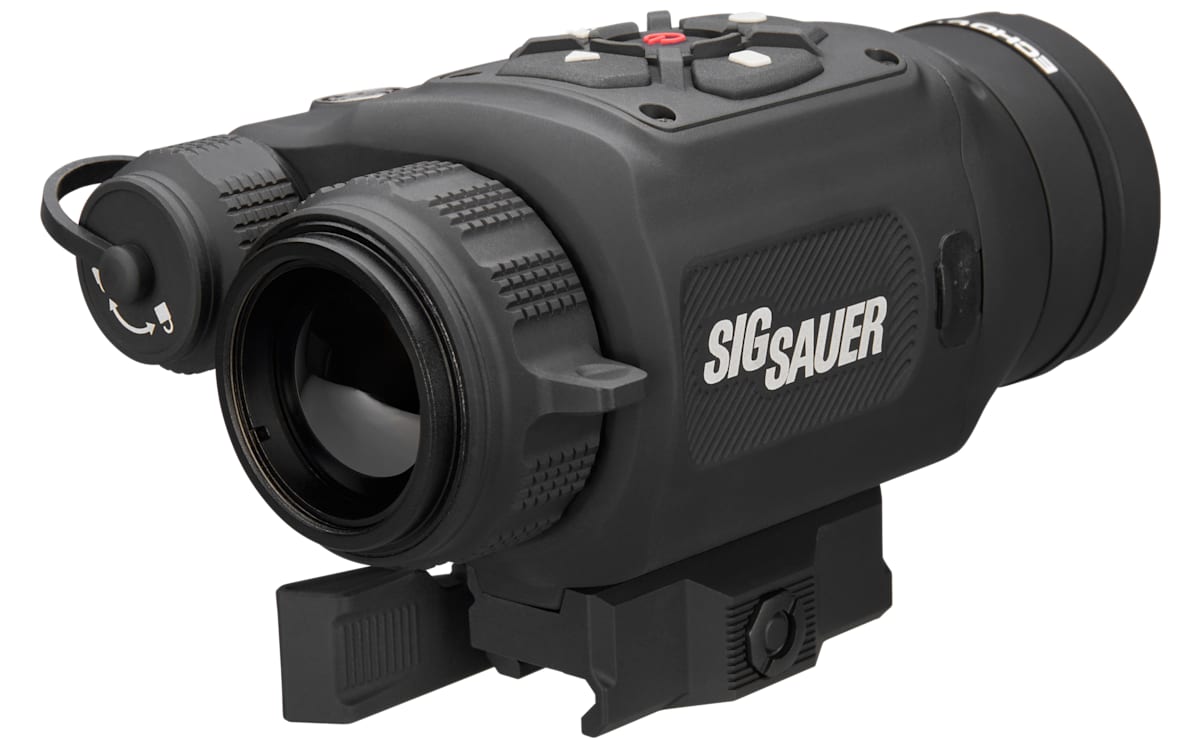
SIG SAUER Echo CV25 Thermal Clip-On Sight
$4,499.99- Magnification: 1X
- 25mm objective lens
- High-resolution 1024x768 AMOLED micro display
- Quick-disconnect mount
-
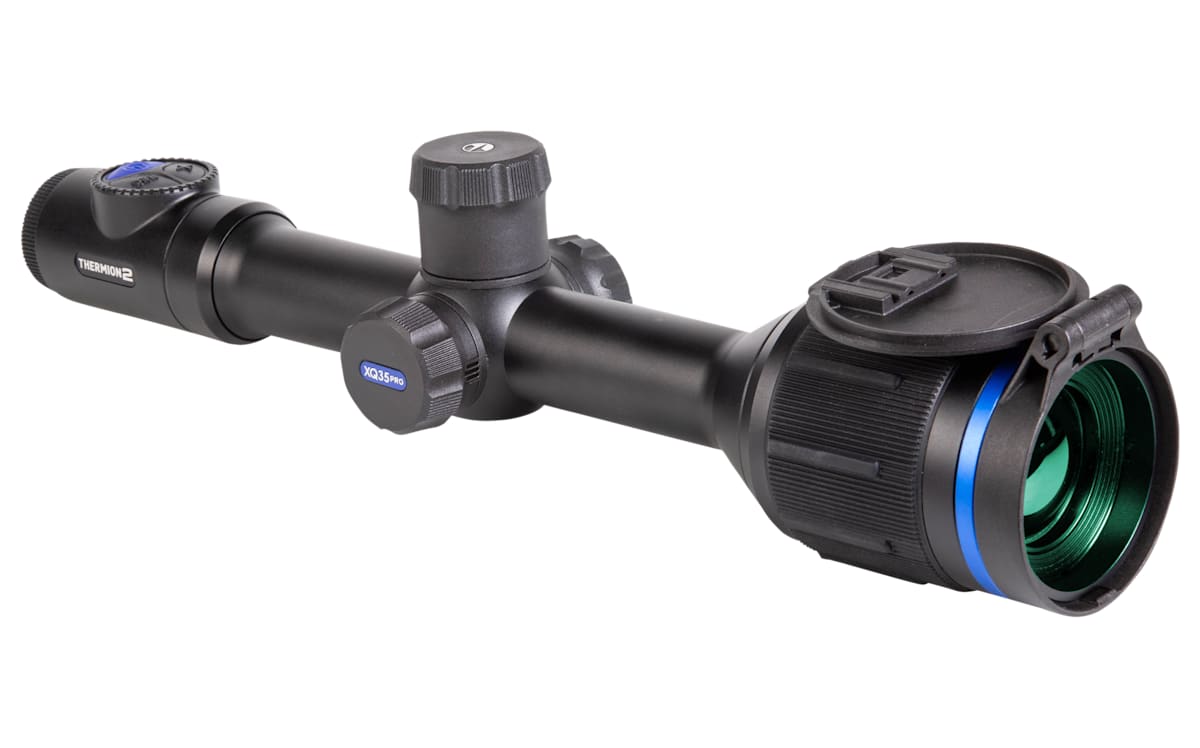
Pulsar Thermion 2 XQ35 Pro Thermal Rifle Scope
$2,499.99- Magnification: 2.5-10X
- 35mm objective lens
- Full color 1024x768 HD AMOLED display
- Delivers up to 7 hours of runtime
-
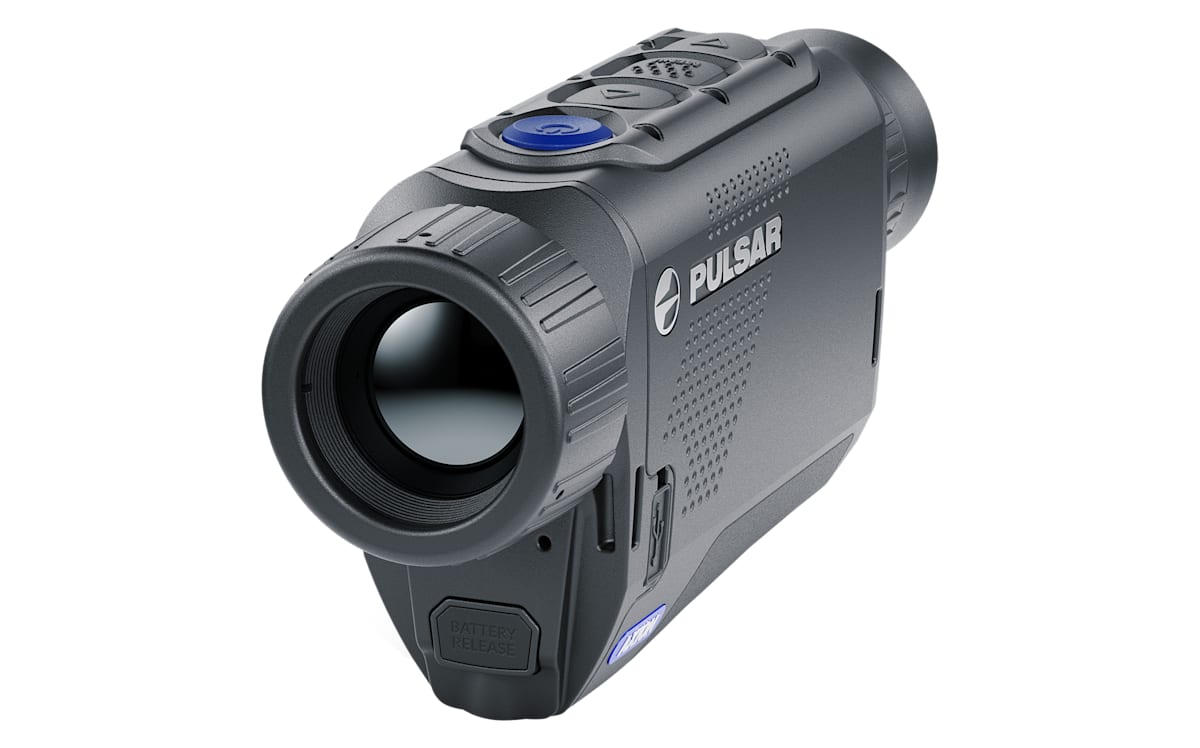
Pulsar Axion XQ30 Pro Thermal Monocular
$1,699.99- Magnification: 2-8X
- 35mm objective lens
- Power-efficient 640x400 AMOLED display
- Runtime: 7.5 hours
-
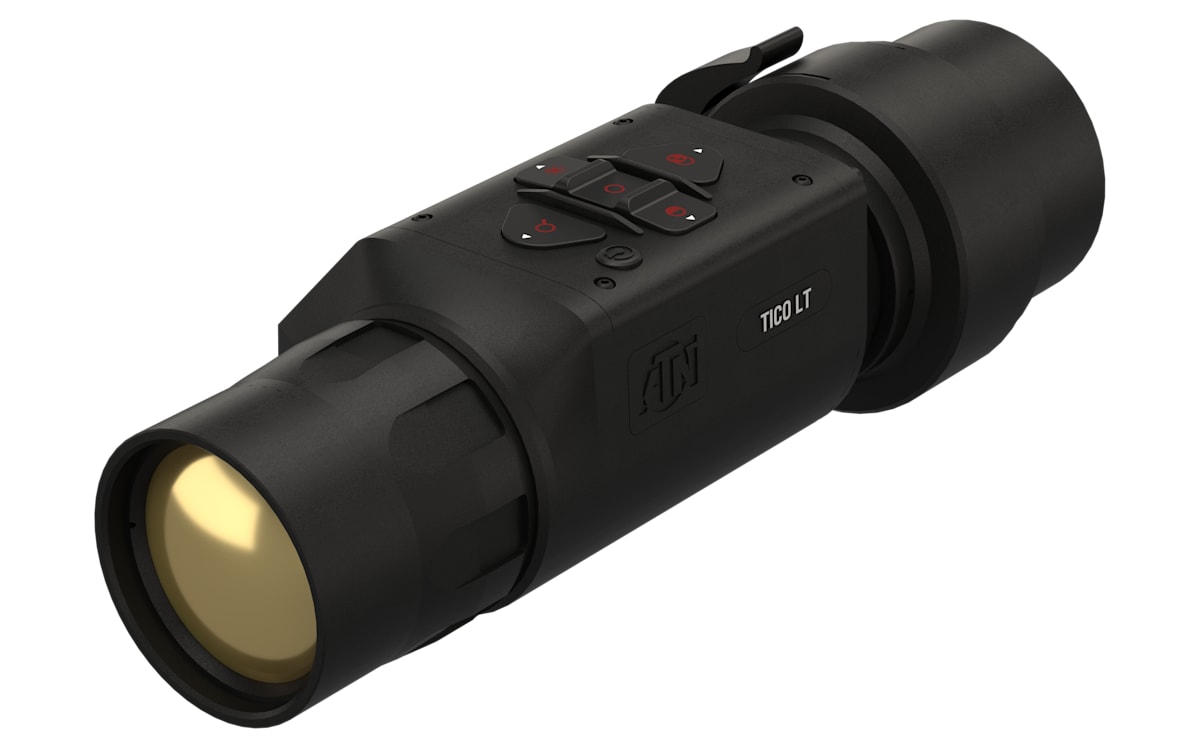
ATN TICO-LTV 640 Thermal Clip-On Sight
$2,995.00- Magnification: 1-4X
- 50mm objective lens
- Converts day scopes into thermal scopes
- Up to 10 hours of battery life
-
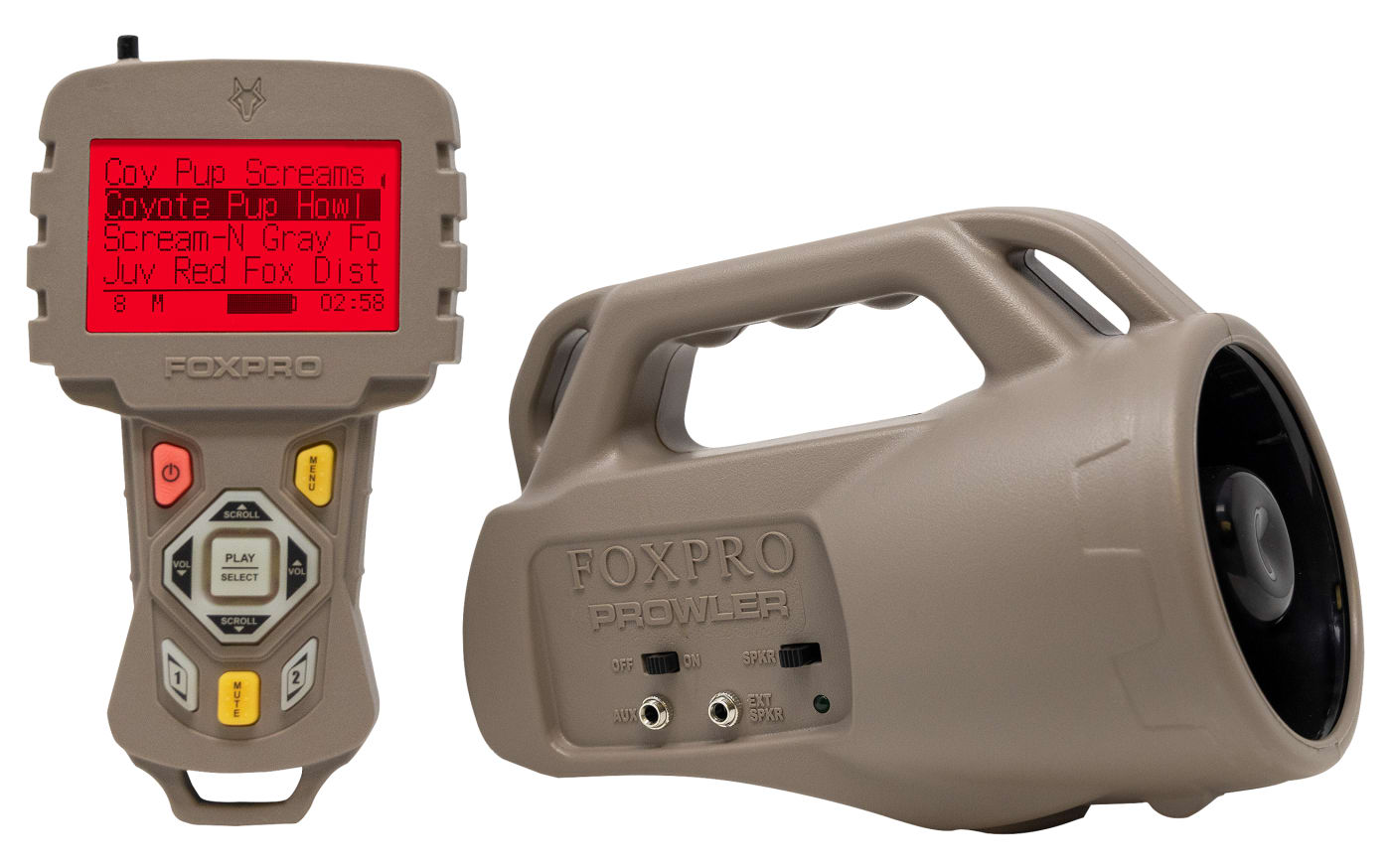
FOXPRO Prowler Electronic Predator Call
$189.99- Includes over 175 sounds and can store up to 300
- USB port makes it easy to add sounds
- Integrated high-efficiency horn speaker
- Aux jack is compatible with decoys
-
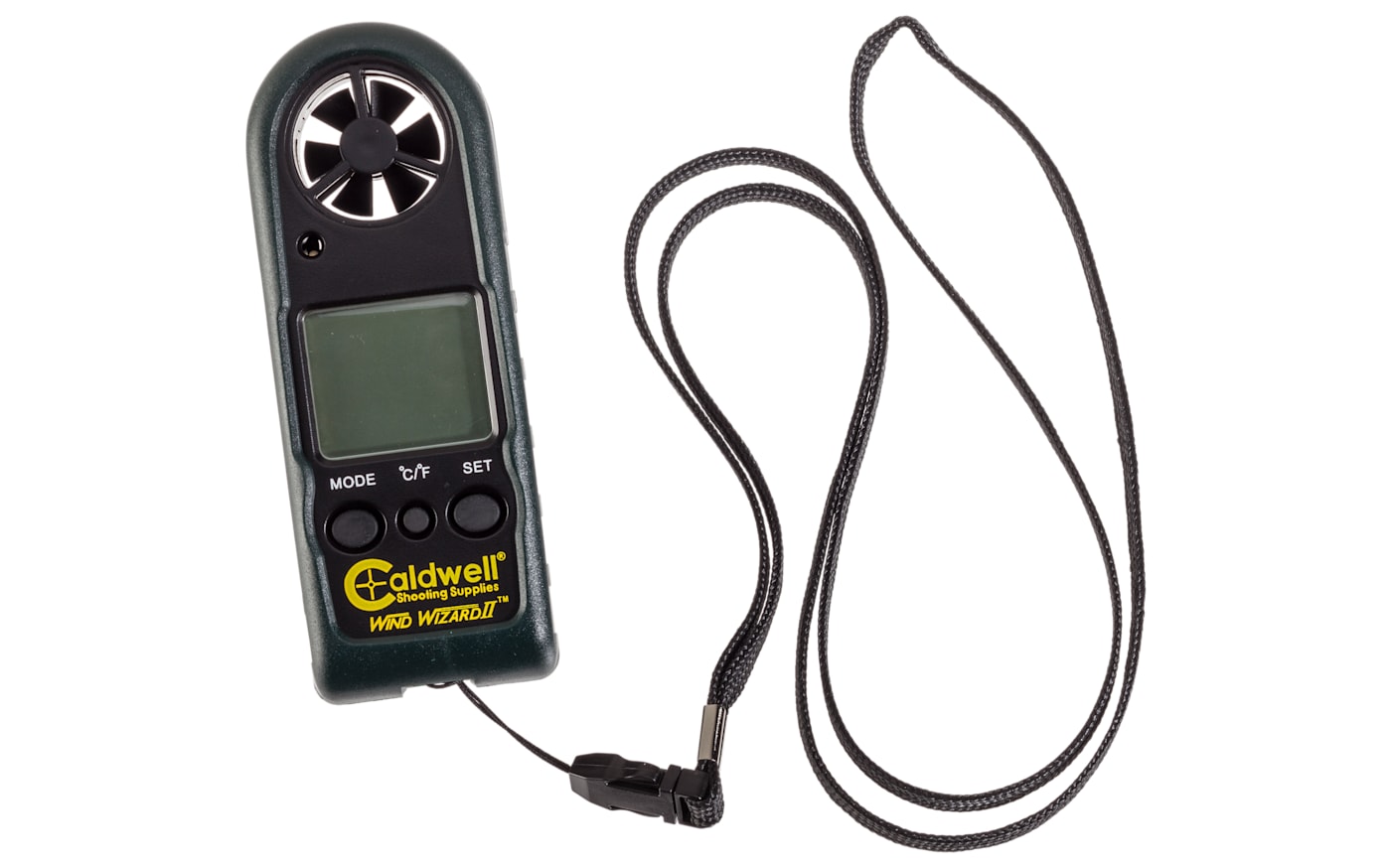
Caldwell Wind Wizard II Wind Speed Meter
$49.99- Gives shooters the ability to allow for wind drift
- Reads wind in various units of measure
- Compact and portable
- Great for hunting in open country
-
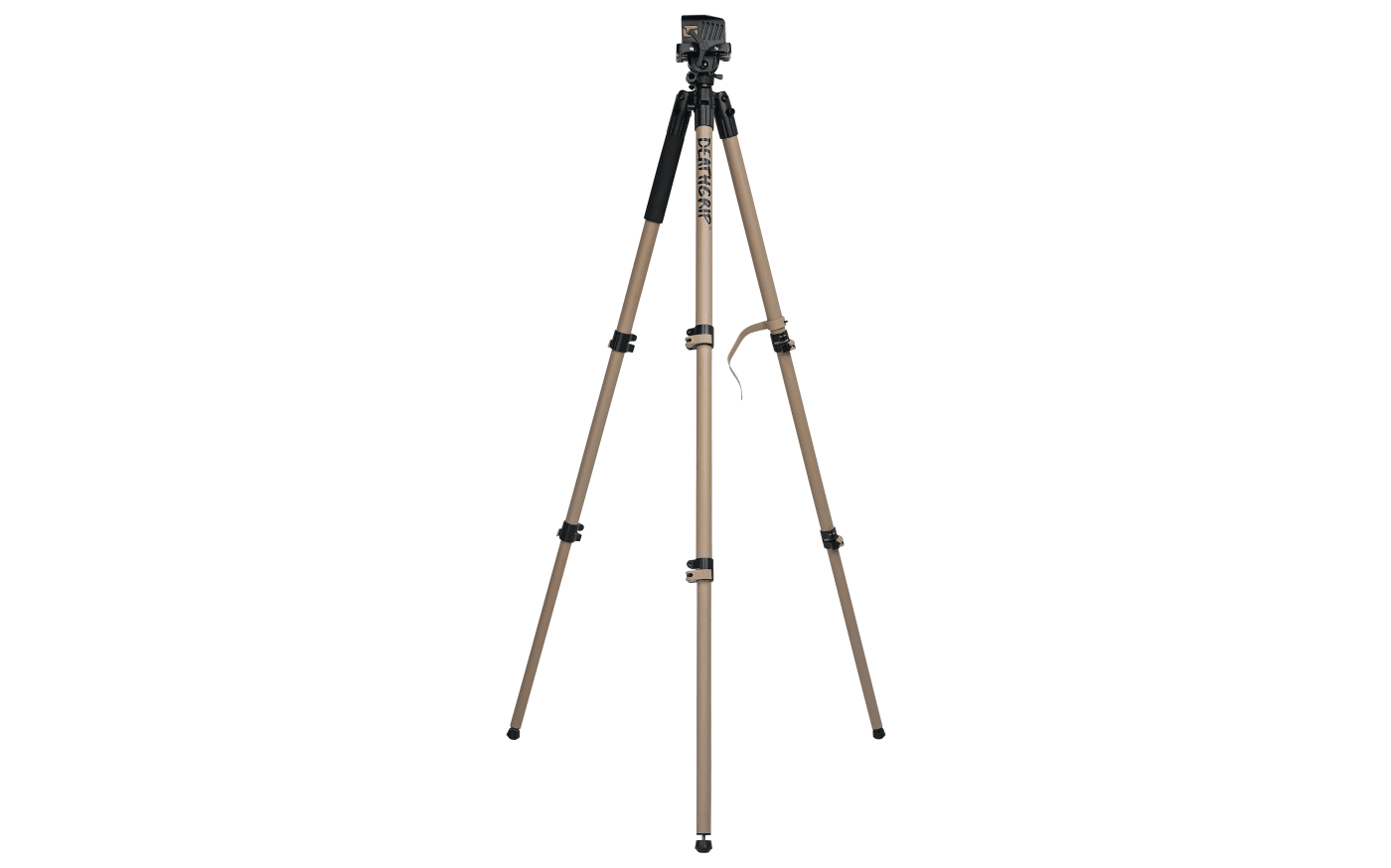
BOG DeathGrip FDE Aluminum Shooting Tripod
$189.99- Head clamp holds weapon hands-free
- Head adjust for up to 25° of cant
- Tension adjustment pans head 360°
- Built-in bubble level
-
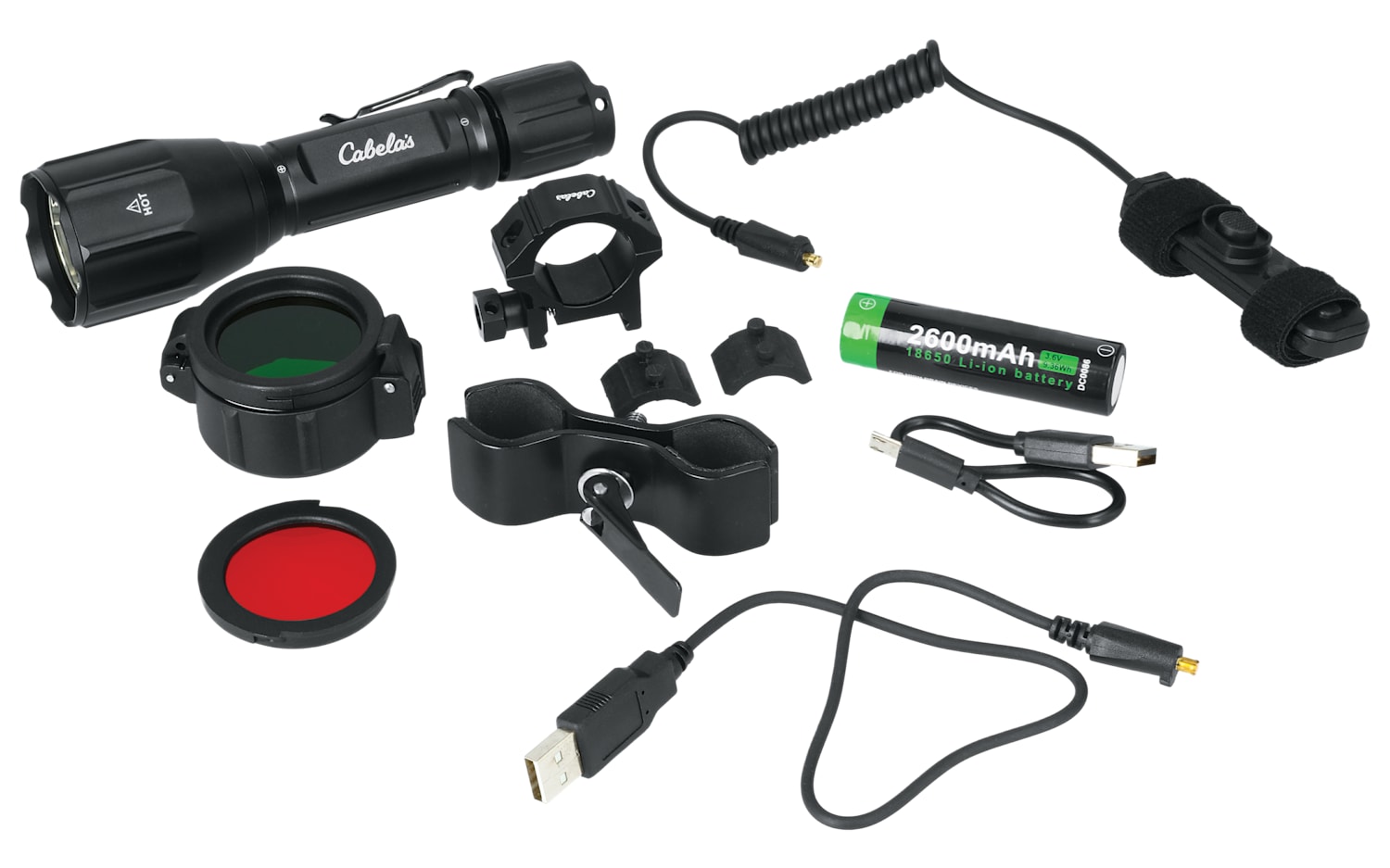
Cabela's Predator 900-Lumen Light Kit
$119.99- Red and green colored lenses for light suppression
- 900-lumen output
- 1913 Picatinny rail mount
- Comes with one 18650 li-ion rechargeable battery
-
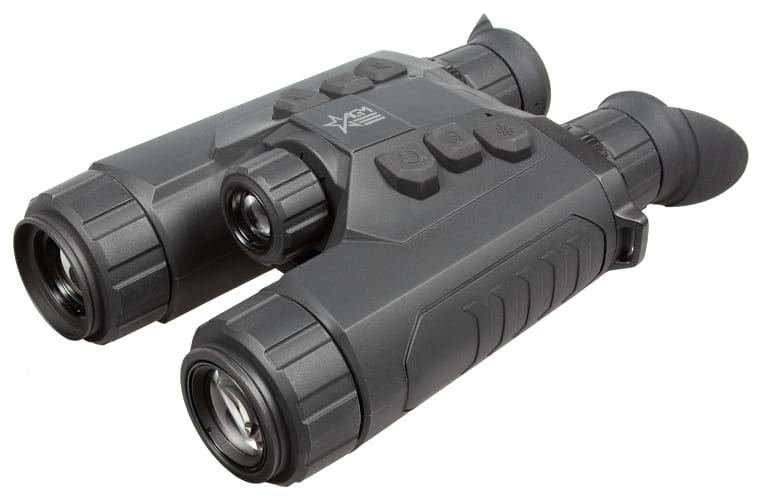
AGM Global Vision ObservIR LRF Thermal & Digital Day/Night Vision Binoculars - 4.5-18X/5.5-22X25mm
$1,695.00- Magnification: 4.5-18X/5.5-22X
- 1920x1080 resolution, .49" OLED display
- 8 hours of operation on a charge
- 12-micron high-sensitivity thermal detector
Field Tips and Strategy
Scouting and Setup
Successful coyote hunting starts long before the call.
Look for:
- Tracks along fence lines, creek bottoms, and field edges
- Scat near travel corridors
- Areas with high rodent or rabbit populations
When setting up at night, approach quietly, avoid skylining yourself, and position with the wind in your favor. Always assume coyotes will attempt to circle downwind.
Calling and Sound Techniques
Prey distress calls are effective year-round, while coyote vocalizations work best during breeding season.
Calling tips:
- Start low volume and build gradually
- Call for 20 to 30 seconds, then pause
- Avoid overcalling in pressured areas
- Switch sounds if no response after 10 to 15 minutes
Shot Placement and Ethics
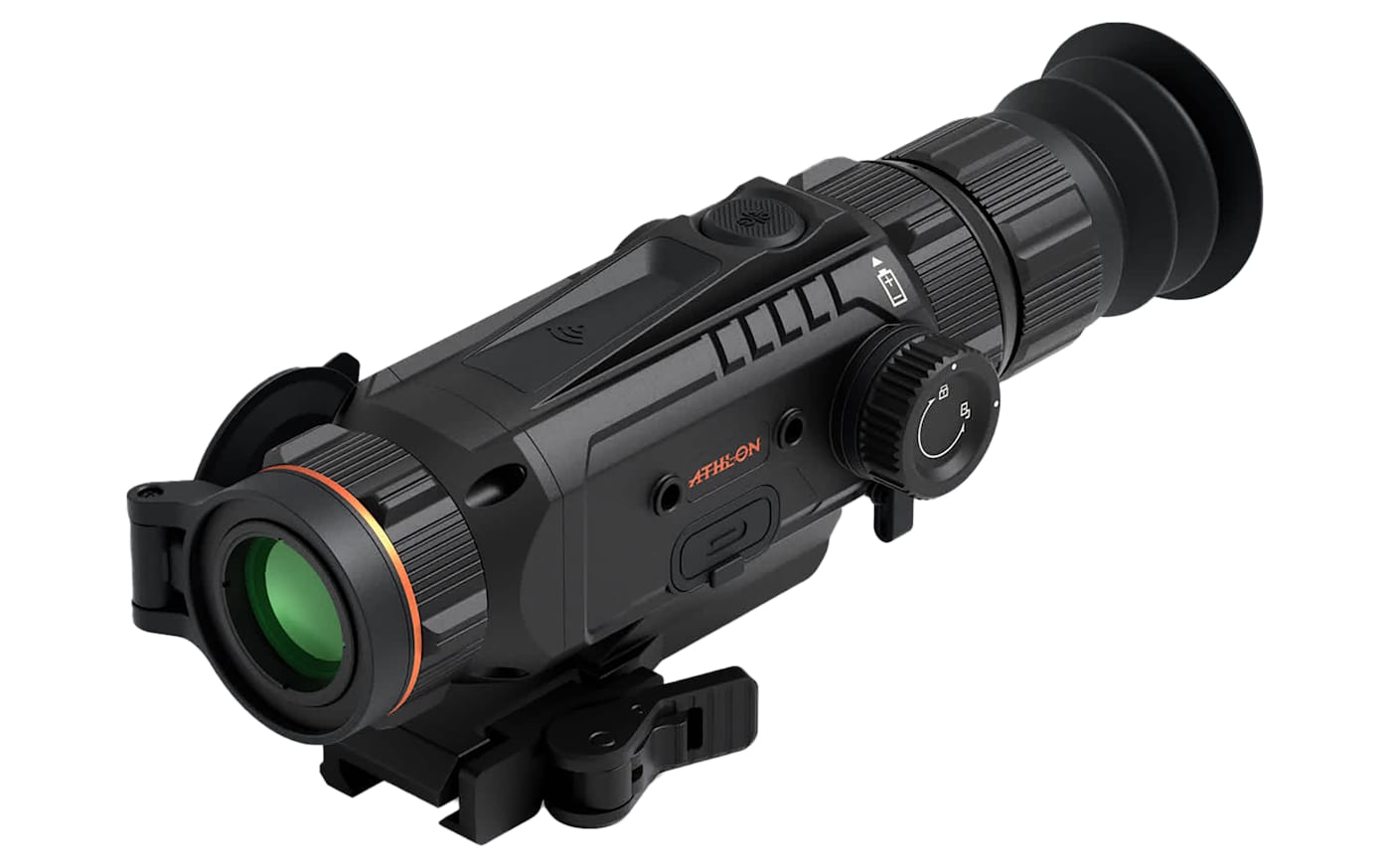
Thermal optics change how shot placement looks, but ethics remain the same.
Aim for the vitals just behind the shoulder when broadside. Always confirm the target, background, and legality before taking a shot. Clean kills and safe target identification are non-negotiable, especially at night.
Advanced Tactics to Increase Success
Experienced hunters refine their approach using advanced tactics.
High success strategies include
- Focusing on night hunting rather than dawn or dusk in pressured areas
- Using motion decoys to pull coyotes into open shooting lanes
- Managing wind direction and thermal drift caused by temperature changes
- Running multi hunter setups to cover downwind escape routes
These thermal hunting tactics and night hunting strategies help control movement and increase shot opportunities.
Tips from Fred Eichler
Key Pro Staff Insights
- Use handheld thermal scanners before calling to avoid calling blind
- Let coyotes commit before shooting rather than rushing the shot
- Keep scanning even after the first shot, as multiple coyotes often follow
Find out more about Fred Eichler
Recommended Thermal Optics for Coyote Hunting
Choosing the right thermal depends on experience level and terrain.
| Experience Level | Key Features | Detection Capability | Best Use Case |
|---|---|---|---|
| Beginner | Simple controls | Short to mid-range detection | Budget-friendly entry-level thermals |
| Intermediate | Improved resolution and refresh rate | Better detection range for open fields | Integrated recording and reticles |
| Expert | Advanced image processing | Long-range detection and identification | Custom profiles and onboard ballistic tools |
Frequently Asked Questions
-
Q: Where can I find official hunting seasons and rules for every U.S. state?
A: You can find official hunting seasons and regulations for every state at eRegulations.com. The site provides state-approved hunting and fishing rules, including season dates, bag limits, license requirements, and legal methods of take. Simply select your state to view the most current regulations published by that state’s wildlife agency.
-
Q: What is the best thermal scope for coyote hunting?
A: The best thermal scope depends on your hunting environment and experience level. Beginners often benefit from simple, budget-friendly thermals with easy controls, while experienced hunters prefer higher resolution units with longer detection range. Open country typically requires more detection distance than wooded areas.
-
Q: What is the best time of year to hunt coyotes?
A: Late fall through early spring is generally the best time to hunt coyotes. Winter months offer increased movement, breeding behavior, and higher responsiveness to calls. Cold temperatures also improve thermal imaging performance.
-
Q: How far can you see a coyote with thermal imaging?
A: Detection range varies by unit, but most modern thermal optics can detect a coyote from several hundred yards to over a mile. Identification and ethical shooting distances are much shorter and depend on resolution and magnification.
-
Q: Is night hunting legal in my state?
A: Night hunting laws vary by state and sometimes by county. Always check local regulations regarding night hunting, thermal optics, lights, and seasons before heading afield.
-
Q: When are coyotes most active?
A: Coyotes are most active early in the morning, late in the evening, and at night.
-
Q: Is night coyote hunting better than daytime hunting?
A: Yes, night hunting is often more effective because coyotes move more confidently and respond faster to calls.
-
Q: What weather is best for hunting coyotes?
A: Cold, calm weather with light wind is best for coyote hunting.
-
Q: Where do coyotes travel the most?
A: Coyotes travel along edges like field borders, fence lines, creek bottoms, and trails.
-
Q: Do coyotes respond to calls at night?
A: Yes, coyotes often respond more aggressively to calls at night, especially during cold weather and breeding season.
- 2745 views