

From Reel to Meal: A Sharp Fillet Knife Matters
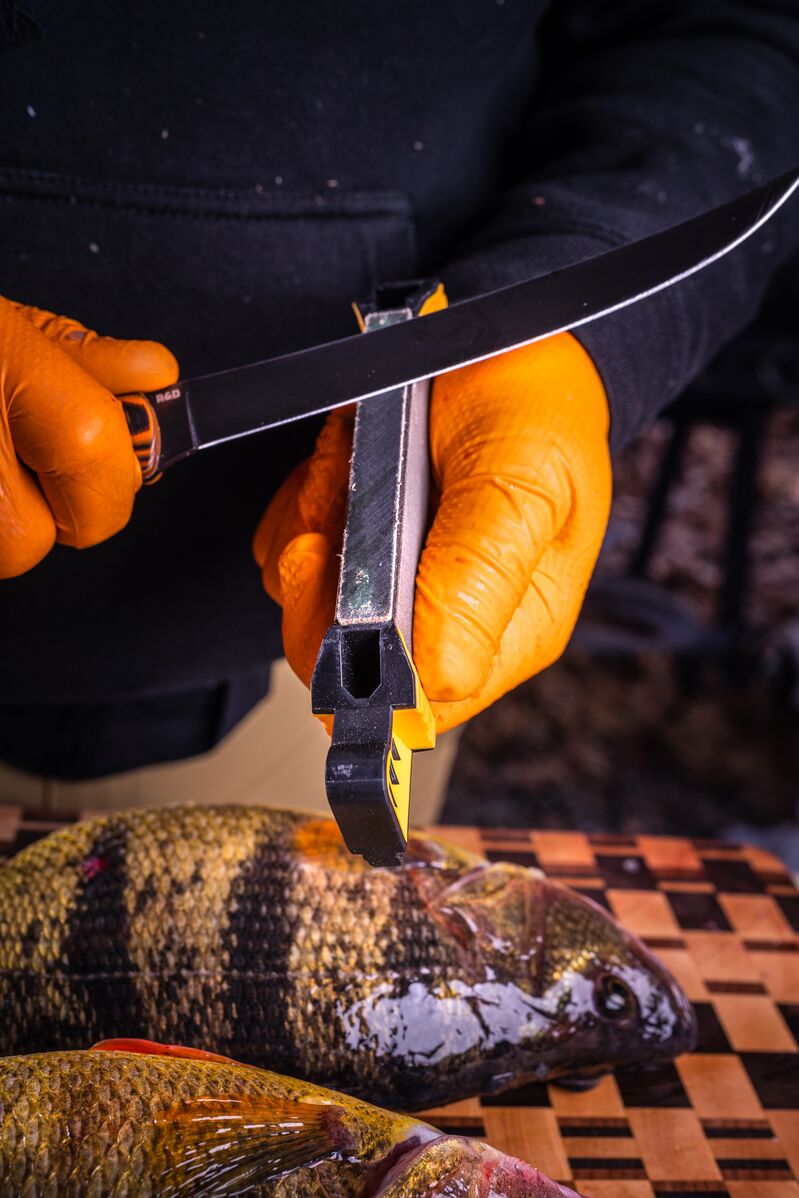 From the moment a fish hits the deck to the final cut on the kitchen counter, your knife edge determines how smoothly the process goes. A sharp fillet knife glides through skin, follows bone, and preserves what was earned on the water. A dull one slows everything down, tears meat, and turns a simple task into real work.
Most anglers don’t think about their edge until it starts fighting back. But the difference between clean fillets and wasted meat often comes down to what happened before the first cut and how the blade is maintained along the way.
A fillet knife tends to be judged at the cleaning table, but the quality of your fillets is often decided earlier than that.
If the edge is tired before you start, everything gets harder: the first cut behind the gill plate takes more force, the blade stops gliding along the rib cage, and skinning starts to feel more like sawing than slicing. Bass Pro’s own fillet guides call a sharp, flexible blade critical during skinning.
Whether you are bringing home crappie, walleye, trout, bass, or catfish, a sharp fillet knife helps you do three things better: make cleaner cuts, waste less meat, and stay in control. That matters on the water, at camp, and back at the cleaning table.
Why sharp matters more than most anglers think
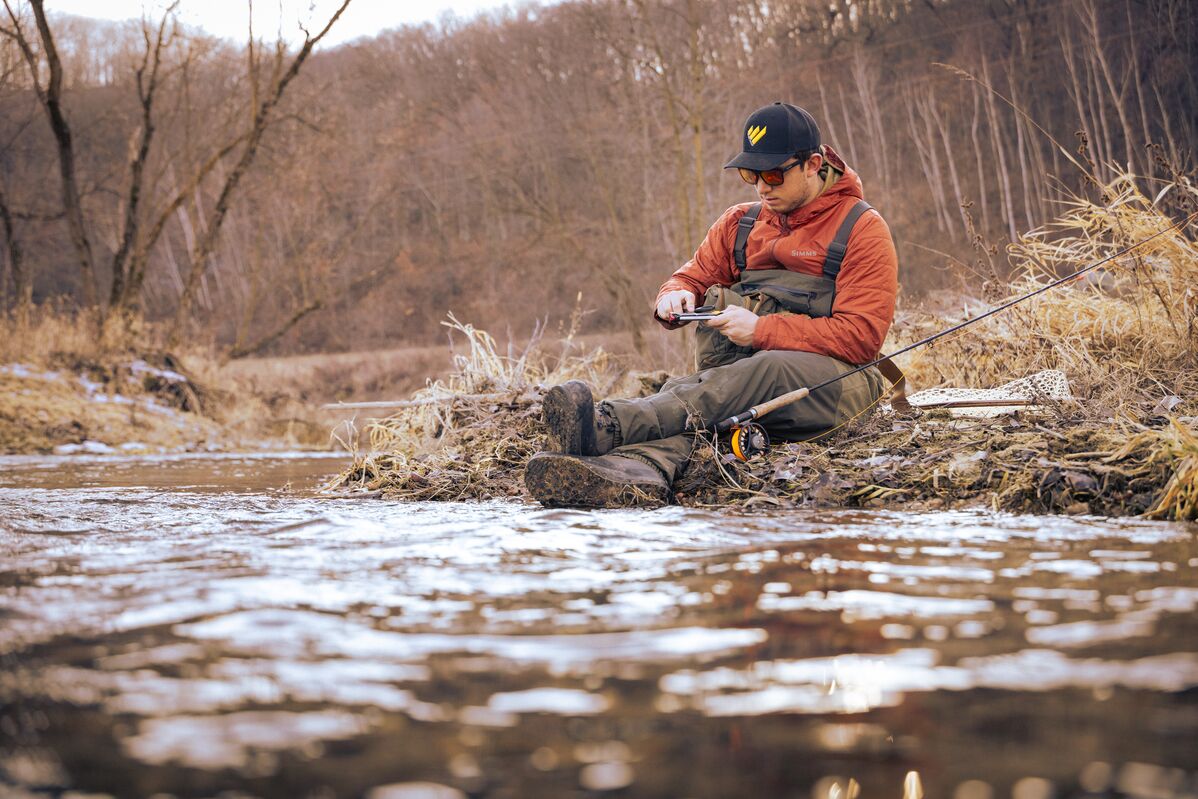
A dull knife does not just slow you down. It changes how you move. When the edge stops biting cleanly, most anglers start adding pressure. That usually leads to rougher cuts, torn flesh, and less precise trimming around rib bones and skin. On delicate fish, that can mean leaving meat behind. On bigger fish, it can turn a smooth job into a messy one.
A sharp edge lets the knife do the work. You feel the contours of the fish better. You can make longer, smoother cuts. And when it is time to separate skin from fillet, the blade stays flatter and more controlled instead of diving where it should not.
When the edge is right, the fish you worked for ends up where it should. Clean, intact, and ready for the table.
Start sharp before you leave home
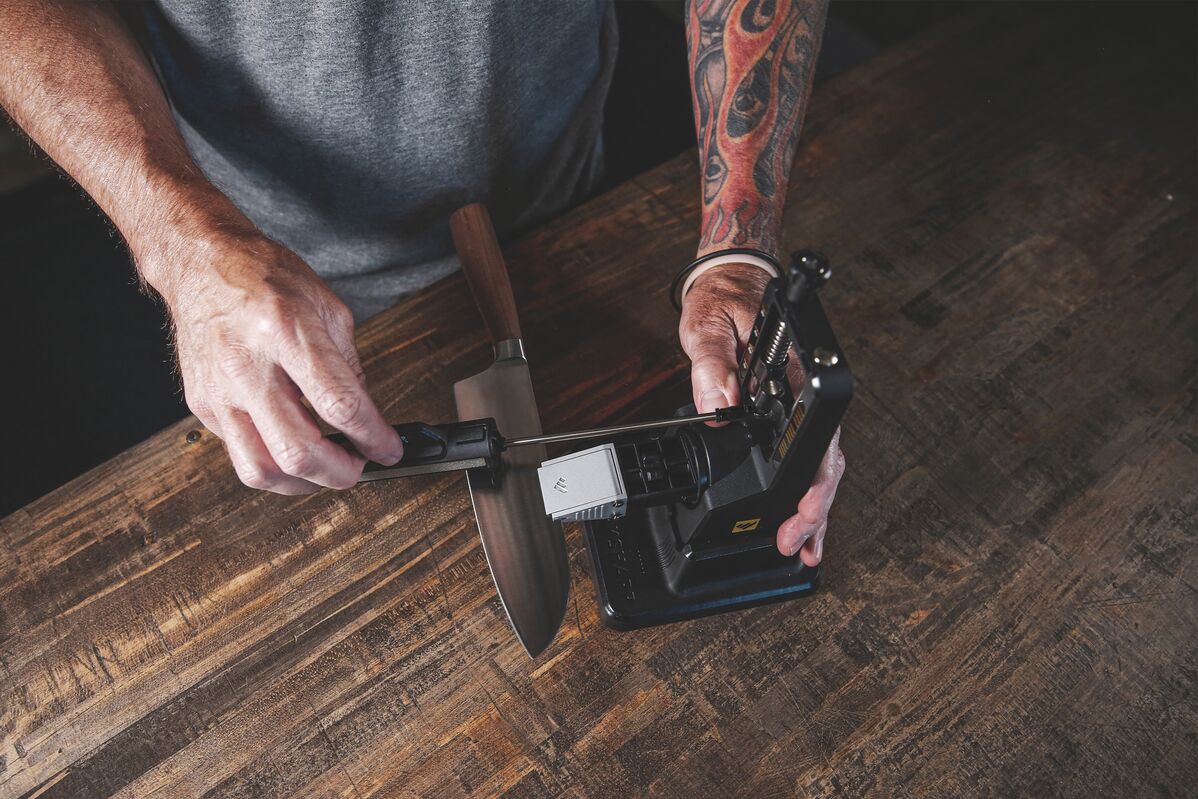
The best time to sharpen a fillet knife is before the trip, not after the blade is fully spent. A few minutes at home lets you set a clean, consistent edge when you have good light, a stable surface, and no fish waiting on the table.
For anglers who want a repeatable home setup, the Work Sharp Precision Adjust Knife Sharpener is all you’ll need. It offers simple and precise angle adjustment with a clamping system that ensures consistent, exact results every time.
Touch up early on the water
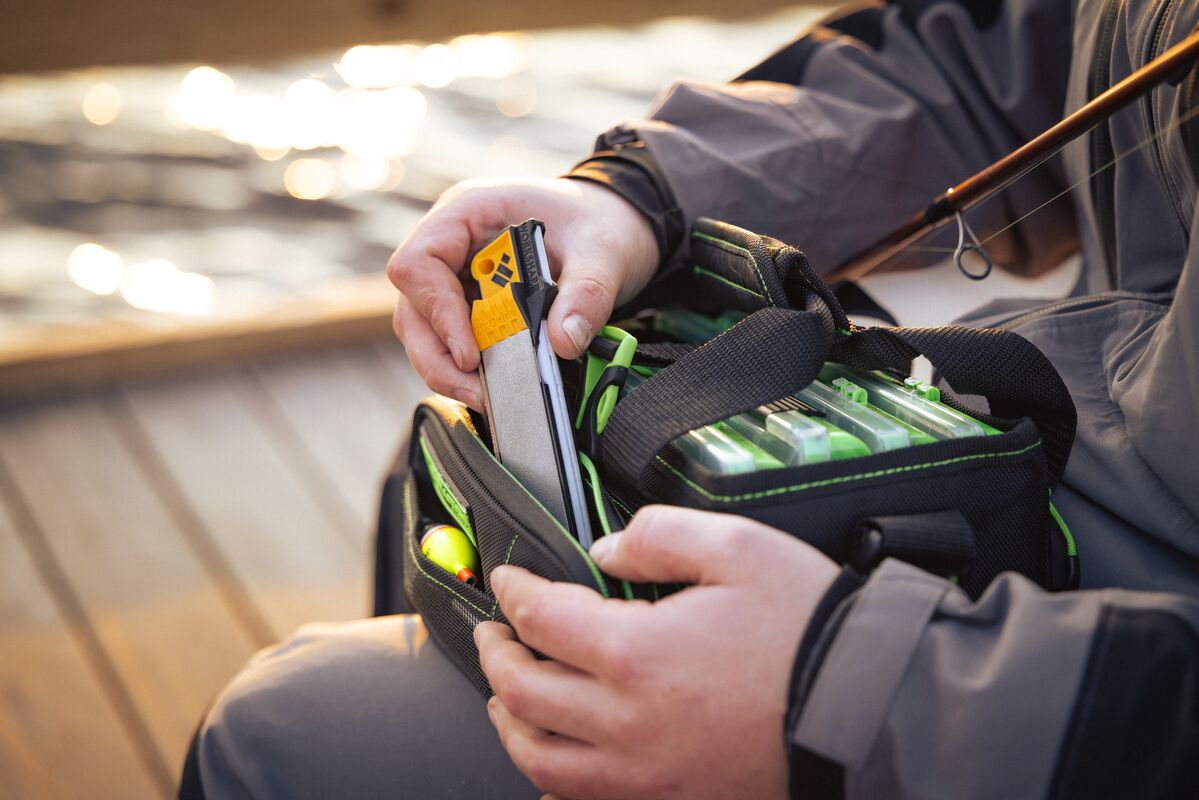
Most anglers wait too long. They notice the knife dragging a little, then a little more, and soon enough, every cut is a battle. A quick touch-up early on is usually faster and easier than rebuilding a dull edge later.
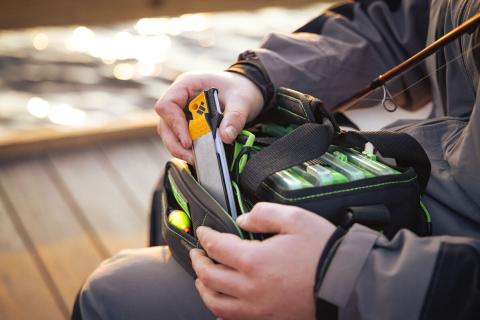
The Work Sharp Guided Field Sharpener is a compact option that lives in the boat bag. It is built for portable, angle-guided touch-ups and combines diamond plates, ceramic sharpening surfaces, stropping, and even fish hook capability, all in one small package.
The goal on the water is not a full sharpening session. It is maintenance. A few light passes when the edge starts to fade can keep your knife working through the rest of the day and make the final cleanup at home easier.
Three signs your fillet knife needs attention
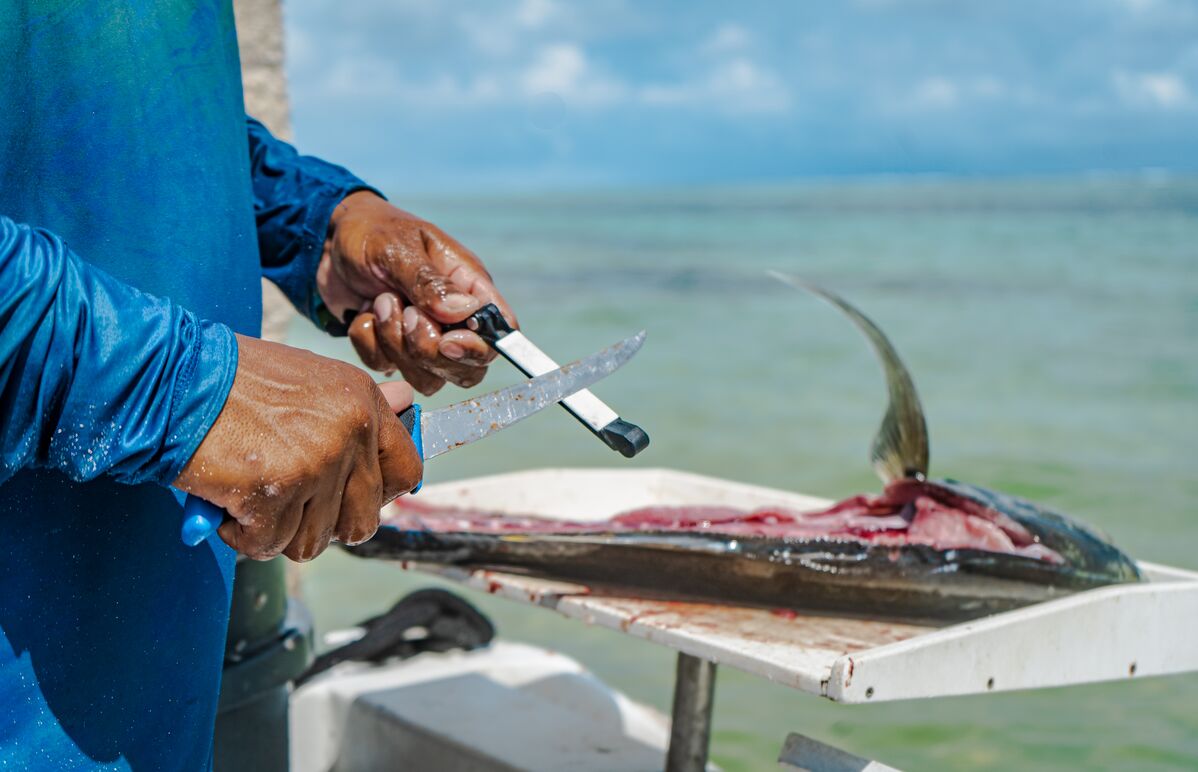
Whether you’re still on the dock or halfway through a pile of fillets at home, these are the signs your knife needs attention:
1. The first cut does not start cleanly.
If you have to push hard to get started behind the gill plate, the edge is fading.
2. The blade stops gliding along bone.
When you feel the knife chatter or hang up around the rib cage, you are losing control.
3. Skinning requires sawing instead of slicing.
If the blade will not stay smooth and flat between flesh and skin, it is time for a touch-up.
These are practical checks anglers can use in the moment. You do not need a lab test. You just need to notice when the knife stops making clean, confident cuts.
A simple boat-to-board routine
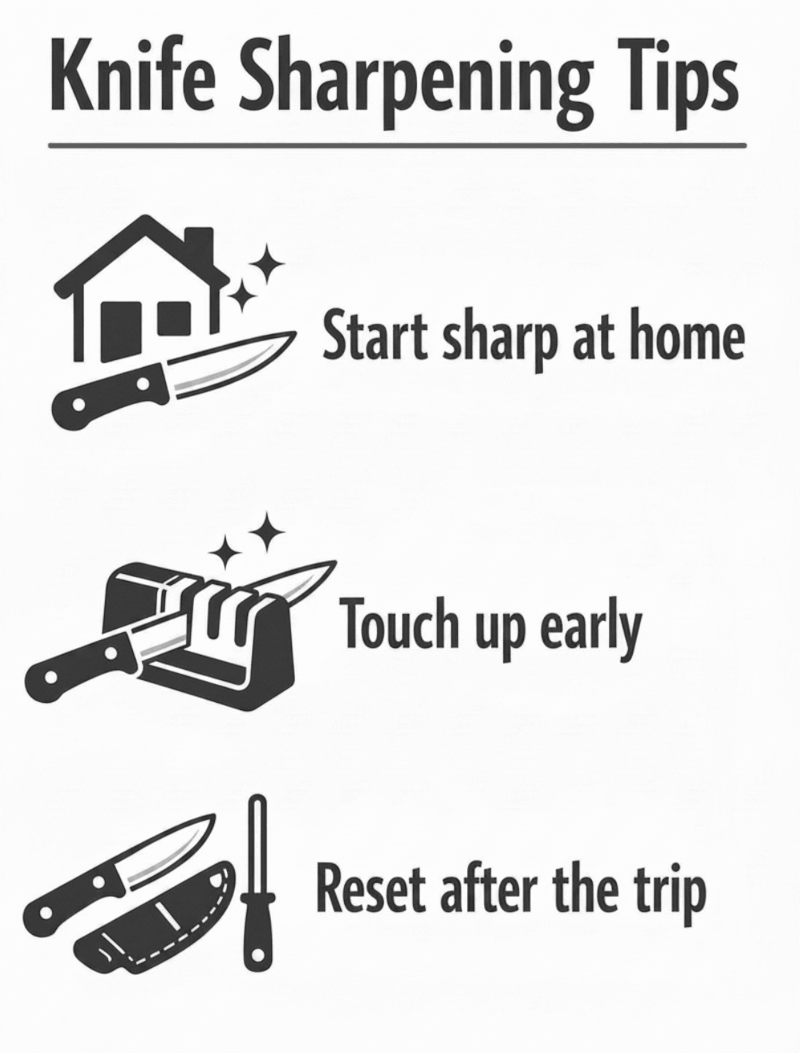 Before the trip:
Set the edge at home. Start with a knife that is ready for the species you expect to clean and the amount of fish you plan to process.
During the trip or at camp:
Touch up early and often. If you clean fish at the dock, at camp, or before heading home, a compact field sharpener is easy to use before the knife gets truly dull.
Back at home:
Clean the knife, dry it thoroughly, and reset the edge if needed. That way the knife goes back into storage ready for the next trip, not waiting until the next cleaning session to be rescued.
One more tip: pair the knife with a stable cutting surface and a cut-resistant glove on your off hand. A sharp edge is important, but control comes from the whole setup.
Better fish deserve a better edge
A good fillet knife does more than cut. It protects the quality of your catch. When the edge is right, you waste less meat, make cleaner cuts, and keep the process smoother from the first fish to the final rinse at the sink.
That is really the point of sharpening for anglers. Not to chase perfection for its own sake, but to make the whole job easier. From boat to board.
- 641 views