

Why Your Knife Fails in the Field
Cold hands, tough hide, awkward cuts, and a fading edge can turn a simple job into a frustrating one. Here’s why it happens and how to stop it.
A knife rarely fails all at once.
It starts with a little drag on the first cut. Then the blade stops gliding and starts resisting. Hair catches. Hide takes more pressure. A clean cut becomes a short, choppy one. Before long, the knife that felt “good enough” back at camp suddenly feels dull, clumsy, and hard to trust.
That is when field work gets frustrating.
And for most hunters, that frustration shows up at the worst possible time: cold hands, fading light, fatigue setting in, and real work still ahead.
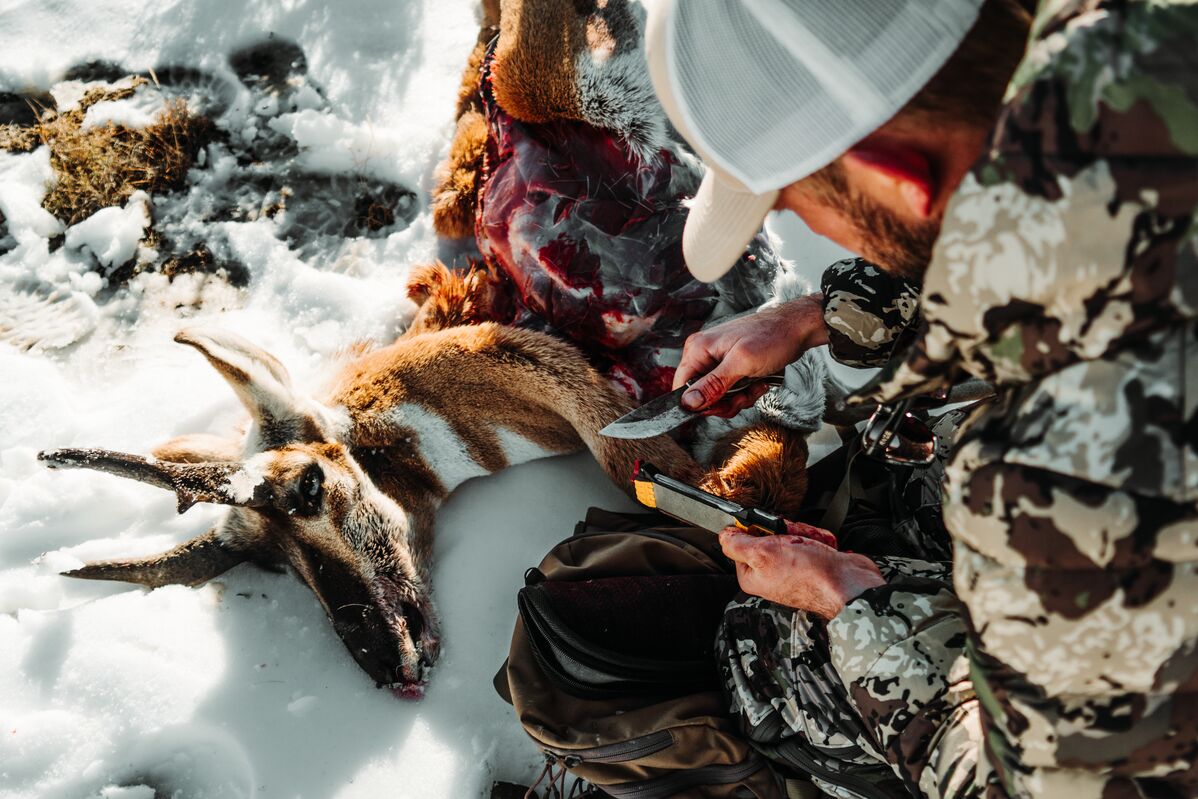
The knife did not suddenly fail. The field exposed it.
Most hunters have had the same thought: This knife was sharp enough before. Why does it feel dull now?
Most field failures are not sudden. The edge was already fading, and the field exposed it.
A knife that feels fine in a garage or camp kitchen can feel very different once it meets hide, hair, tissue, bone, cold weather, awkward body position, and tired hands. Those conditions magnify every weakness in the edge.
That is why hunters often think a knife “quit” on them. In reality, the edge simply was not prepared for the full workload.
What a failing edge feels like
Hunters usually notice, but often ignore, the same warning signs:
- The blade slides before it bites
- Cuts get shorter and choppier
- More pressure is needed to get started
- Skinning feels more like sawing than slicing
- Fine work becomes slower and less controlled
Once that starts, most people compensate without thinking. They push harder, shorten their strokes, and work from worse positions. That usually makes the knife feel even worse.
The first fix starts at home
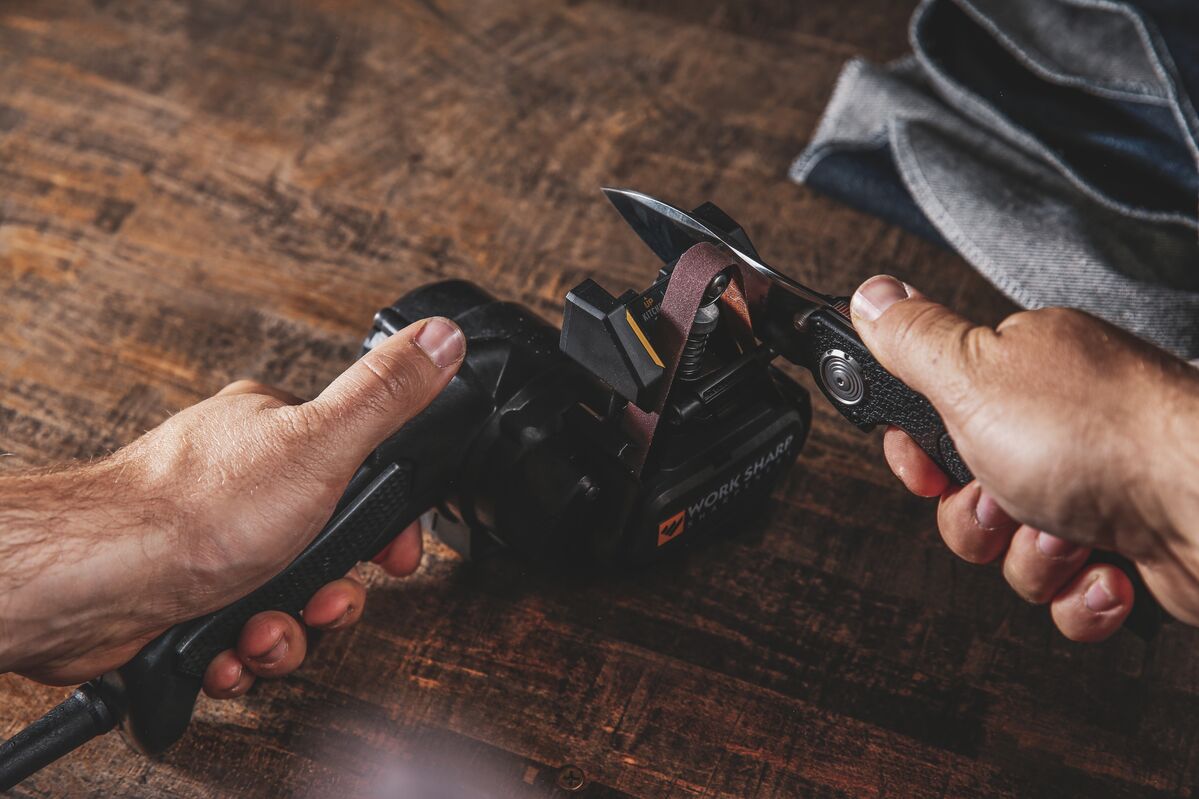
The easiest way to prevent field failure is to stop treating sharpening like a last-minute chore.
A knife that is only “pretty sharp” before the hunt is much more likely to feel dull halfway through real work. A better approach is to sharpen at home, where there is time, good light, and a stable work surface.
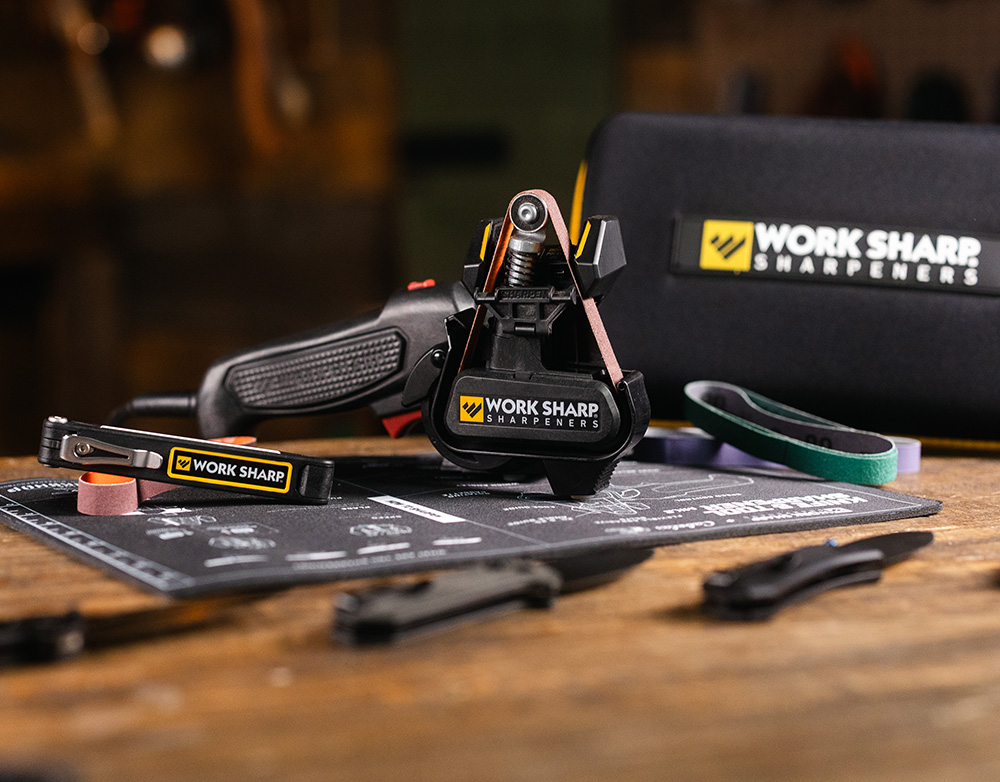
That is where the Work Sharp Knife & Tool Sharpener Mk.2 fits naturally. It is a powered system for properly sharpening knives before the hunt, with angle guides that keep things easy and consistent.
You’re already prepping broadheads, optics, packs, and layers before a trip. The knife should be part of that same routine.
The second fix is touching up earlier
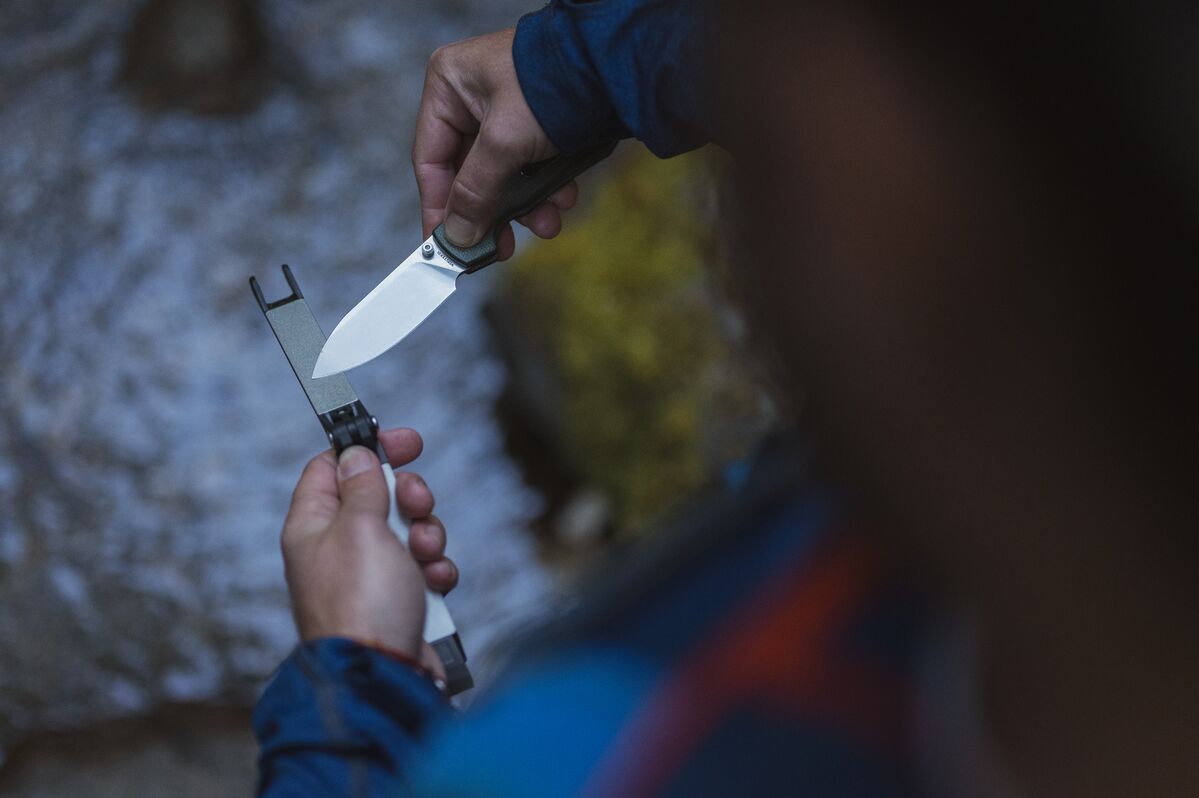
Even a well-prepped knife can lose bite in the field. The mistake is waiting until it feels completely spent.
Quick touch-ups early and often are easier than trying to force a tired edge through the rest of the job.
That is where a field sharpener makes sense. It gives hunters a compact way to bring the edge back before frustration builds. Not a full sharpening session in the woods. Just enough maintenance to keep the knife cutting the way it should.
For most hunters, that is the real shift. Sharpening should not be a rescue attempt. It should be a maintenance routine.
A better system for hunting knives
The best approach is simple:
- Before the hunt: build a real edge at home
- During the work: touch up before the knife feels gone
- After the hunt: clean, dry, and reset the edge for next time
For hunters who want one setup that covers both stages, the Bass Pro Exclusive Bundle brings together the Knife & Tool Sharpener Mk.2 for home prep, the Folding Field Sharpener for field maintenance, plus a compact carry case and custom work mat with quick tips.
This works because it solves the real problem. Knives do not usually fail from one big mistake. They fail when hunters are not ready before the job starts or wait too long to maintain the edge once the work begins.
Keep the knife working when the work gets real
Most field failures are preventable.
The knife usually gives warning before it becomes a real problem. The key is recognizing what causes that slide, then having a better system for sharpening before the hunt and maintaining the edge during the work.
Because once the job starts, the goal is not just having a knife.
It is having one that keeps working.
- 814 views