


Why a Sharp Knife Matters from Field to Fork
You worked hard for this meal. Don’t lose quality at the cutting board.
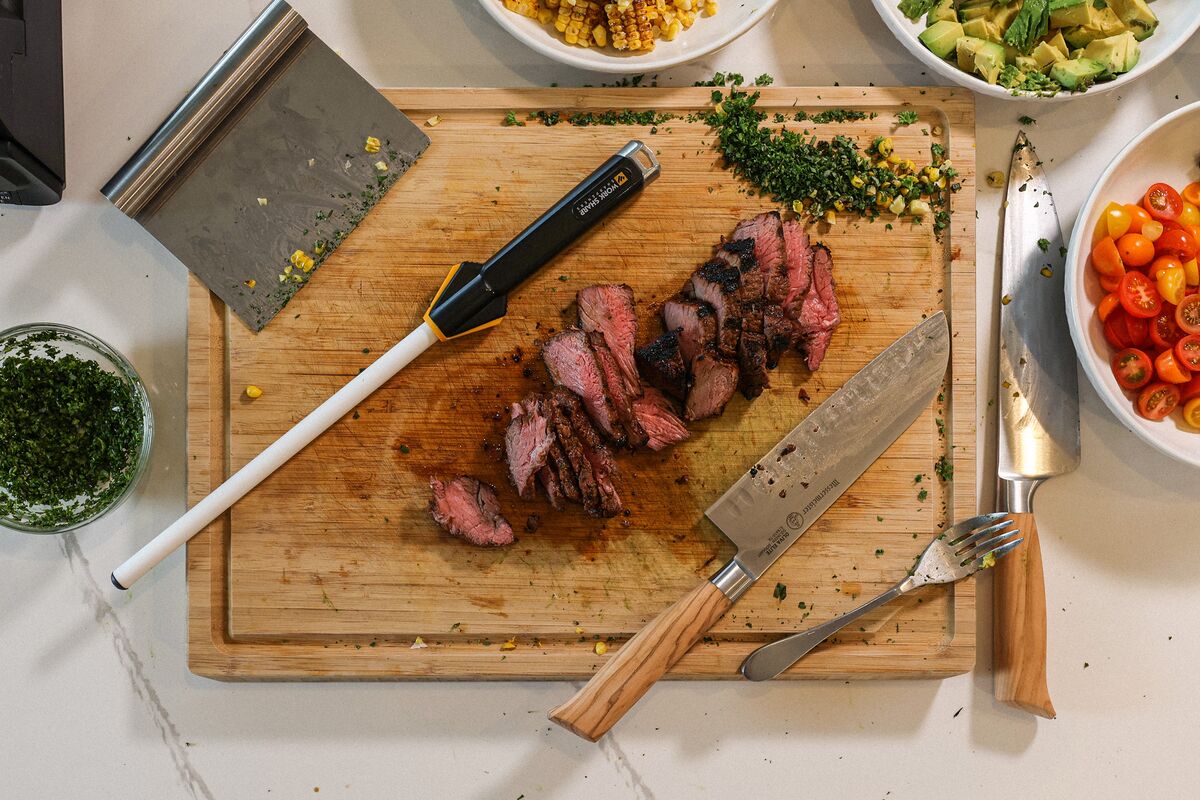
Bringing home fish or game is most of the process, but what happens during the final stretch matters too.
Once the fillets or venison hit the cutting board, a dull knife can undo good work quickly. Clean slices turn ragged. Trimming takes more force. Soft fish flesh tears instead of separating cleanly. Even simple prep starts feeling slow and messy.
This is the stage where proper care turns a harvest into a meal.
Where dull knives cause the most trouble
Fish and game both reward a clean edge, but for different reasons.
With fish, the problem is delicacy. A dull knife can drag through the flesh, leave ragged edges, and make portioning or skinning less precise. Instead of one smooth cut, the blade starts pulling and tearing. That matters most when the goal is a clean fillet, even portions, or a finished plate that looks as good as the catch deserves.
With game, the challenge is control. Trimming silver skin, separating muscle groups, or cleaning up cuts for the freezer all take a knife that slices cleanly and stays predictable. When the edge loses bite, trimming gets rougher and more meat tends to stay attached where it should not.
In both cases, a dull knife does more than slow things down. It makes food prep less precise at the exact moment when precision matters most.
What a sharp edge actually changes
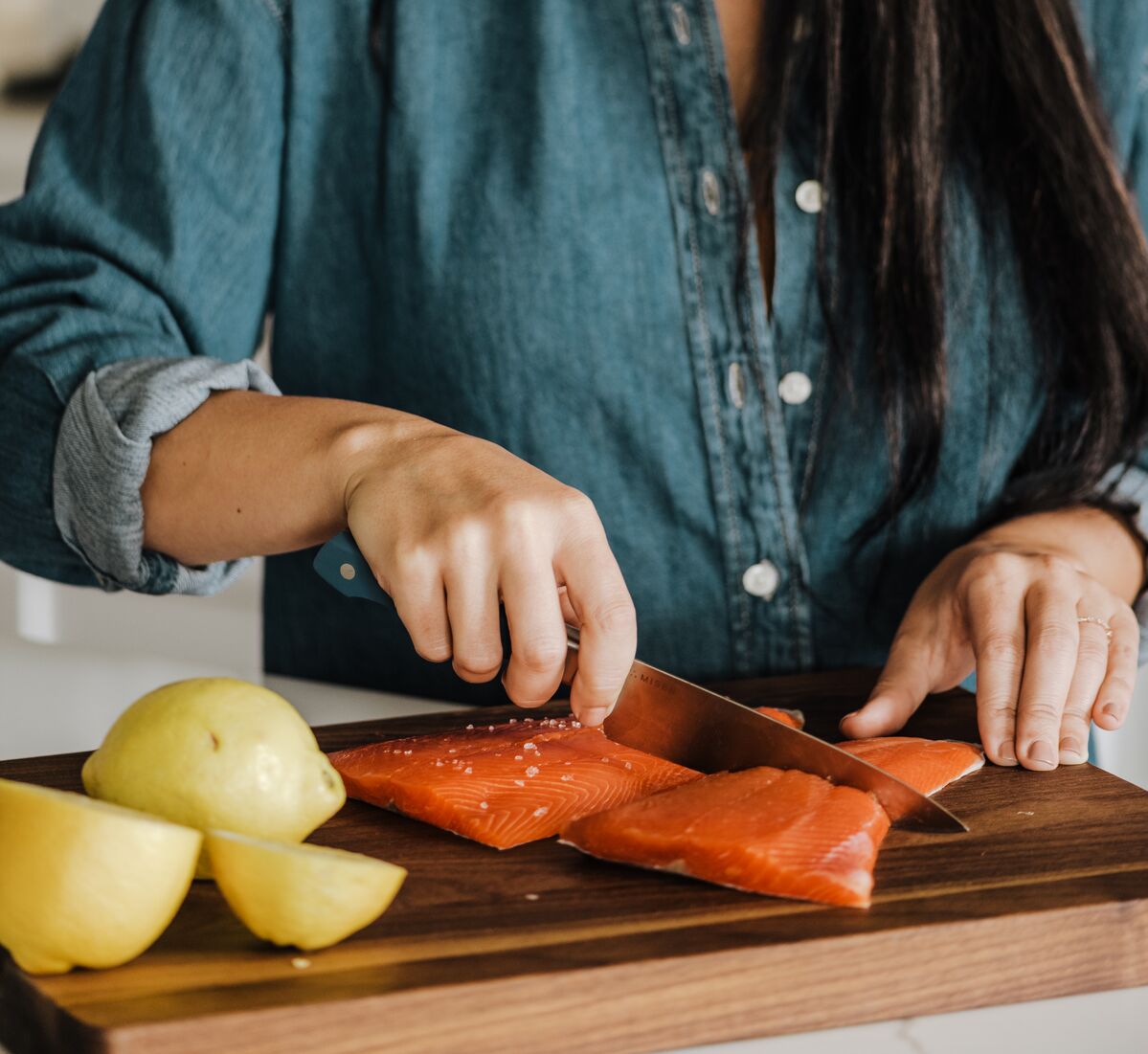
Sharpness is not just about making a knife feel better. It changes the way prep happens.
A sharper kitchen knife starts cutting with less force. That means cleaner slices, steadier trimming, and more control. Instead of pressing and forcing the blade through the work, the edge begins the cut cleanly and carries through with less resistance.
That usually leads to three better outcomes:
Cleaner portions. Fish portions look smoother, trimmed meat looks neater, and the final dish starts with better-looking prep.
Less waste. Cleaner trimming means less good meat left behind on skin, sinew, or connective tissue.
Less effort. A good edge does more of the work, which makes the whole process feel calmer and more controlled.
That last point matters more than most people realize. A knife that cuts cleanly does not just save time. It makes the kitchen feel less like recovery work and more like the final step of harvesting.
Two easy ways to keep kitchen knives working
The good news is that this is one of the easiest problems to fix. Most home cooks do not need a complicated sharpening routine. They just need a solution that matches the way they actually cook.
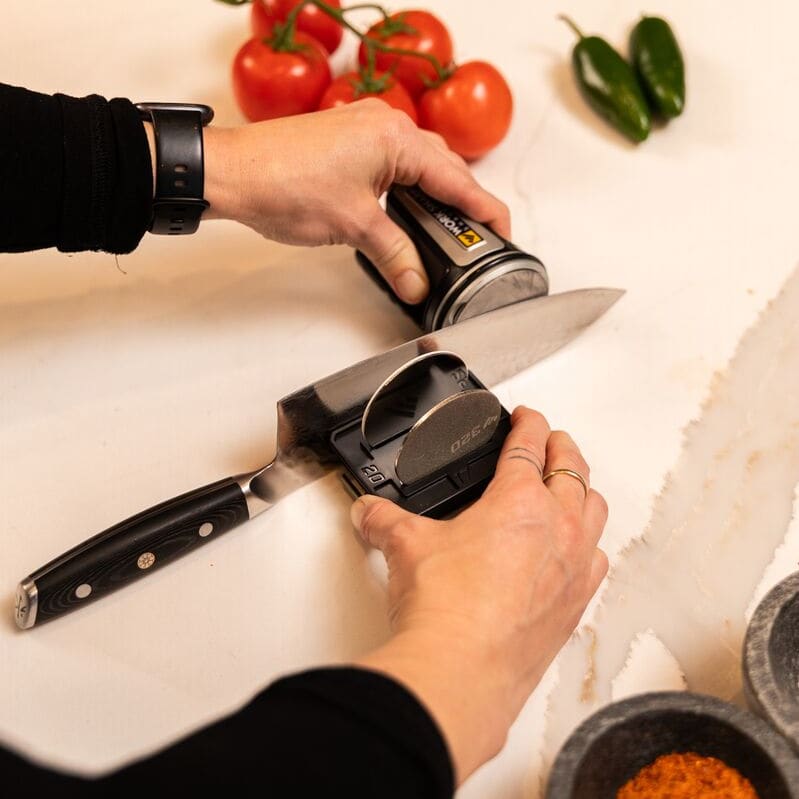
The Work Sharp Rolling Knife Sharpener is the fastest, easiest kitchen knife sharpener on the market. It provides a guided, repeatable way to sharpen knives with absolutely no learning curve or training required. The knife attaches to a magnetic angle block with four preset angles, then you simply roll one of three abrasives along the edge.
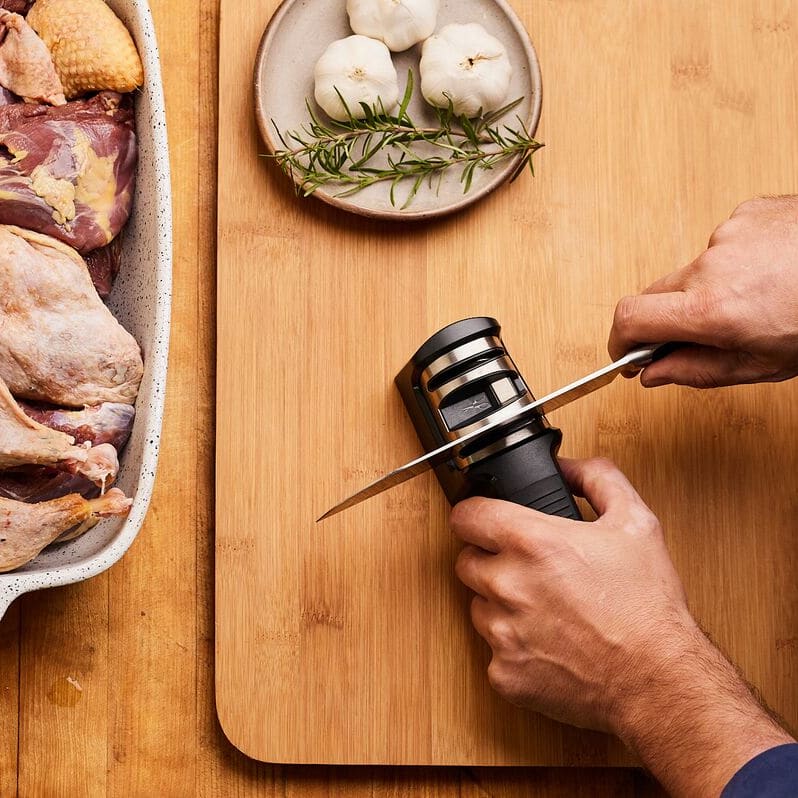 The Work Sharp Pull-Through Knife Sharpener is the more familiar and inexpensive option. It sharpens at a preset, optimum angle and uses diamond wheels to reset the edge, then ceramic wheels to hone it.
A better field-to-fork habit
The easiest way to think about kitchen sharpening is not as a rescue job, but as part of meal prep.
If fish is headed from cooler to cutting board, or venison is headed from freezer paper to the board for trimming and portioning, the knife should be ready before the work begins. A few moments of sharpening before prep is usually easier than fighting through dull cuts once the food is already on the counter.
That is really the field-to-fork lesson here. Taking care of fish and game does not stop when it gets home. Good handling continues all the way through the final cut.
- 538 views