


Famiglia di Titani
Introduction
For nearly five centuries, Beretta has defined success not by momentary wins, but by generational achievement. Founded in 1526, the company has passed through 16 generations of family leadership. Today, Beretta Holding S.A. stands as the parent company of a global group that blends artisanal heritage with advanced technology to serve hunters, competitive shooters, military forces, and law enforcement agencies worldwide.
What began as a historical reflection quickly became something else. Conversations with Pietro Gussalli Beretta, President and CEO of Beretta Holding S.A., and his brother Franco Gussalli Beretta, President and CEO of Fabbrica d’Armi Pietro Beretta, shifted from the past to the present and future almost immediately. Their focus is clear: honor tradition, but build for tomorrow.
A Legacy Rooted in the Field
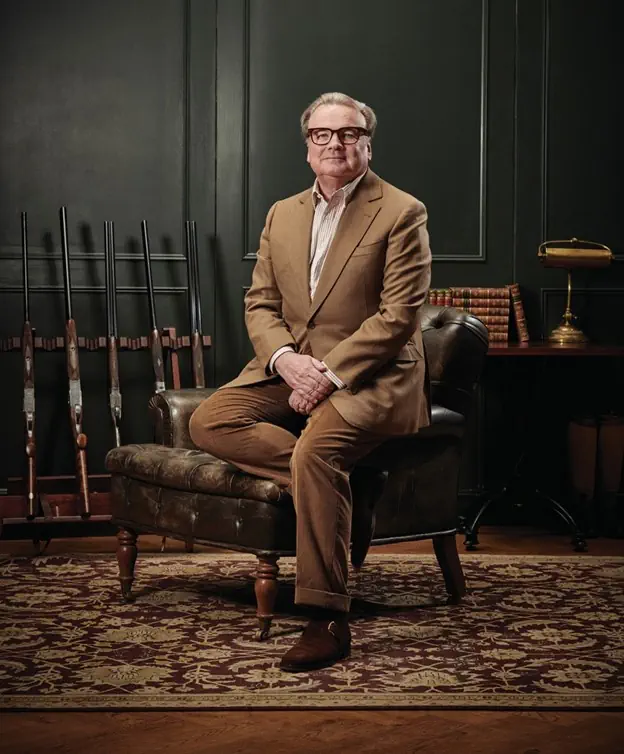
For Pietro Gussalli Beretta, the passion for firearms began early.
He started hunting at age eight with his grandfather, pursuing pheasants with pointer dogs. Over the decades, he hunted across Africa, Asia, and Australia. Today, he prefers Europe’s mountains and wetlands.
Like many in the Beretta family, his earliest lessons in shooting came from previous generations. His grandfather, uncle, and father all played a role. The transmission of knowledge was personal and direct. That generational mentorship continues to shape leadership decisions today.
Building the World’s Largest Firearms Group
Since its founding in 1995, Beretta Holding has grown into the largest firearms group in the world. Under Pietro’s leadership, the company expanded through strategic acquisitions, strengthening manufacturing, distribution, and brand presence.
Today, Beretta Holding:
- Generates over $1.8 billion in annual revenue
- Operates in more than 20 countries
- Employs approximately 6,000 people
- Includes over 50 companies and 20 manufacturing sites
- Derives more than 40 percent of sales from the United States
Its portfolio includes brands such as Benelli, Holland & Holland, Chapuis Armes, Manurhin, Sako, Tikka, Burris, and Norma.
Recent strategic focus includes negotiations with Ruger. Pietro describes Ruger as a strong cultural fit aligned with Beretta’s philosophy. While acquisitions remain part of future growth, each move is evaluated based on its ability to strengthen the core mission.
That mission is clear: craft reliable, high performance firearms, optics, ammunition, and gear for those who value precision, whether in the field, on the range, or in service.
Civilian, Military, and Law Enforcement Markets
While commercial sales remain the largest contributor to revenue, military and law enforcement business is growing faster. This diversification provides long term stability and positions the company as a key player in global defense markets.
Beretta Defense Technologies was established to serve military and law enforcement clients. Within this alliance:
- Steiner eOptics leads in electro optical systems for defense applications
- A new Steiner facility in Ohio supports U.S. growth and job creation
- Ammotec expanded the group’s ammunition capabilities
- Norma strengthens the U.S. civilian ammunition market
Defense innovation often drives advancements that later transfer into commercial and sporting products.
Beretta is also willing to compete again for future U.S. military pistol contracts. While success is never guaranteed, the company intends to remain a serious contender.
Collaboration and Technology Across the Group
Technology development is coordinated across the organization. General managers meet four times a year to share innovation updates. When one company develops a new product or process, sister companies are informed before public release.
Heritage influences these decisions daily. The family has historically reinvested profits into research, equipment, and product development rather than maximizing dividends. That long term view remains central to strategy.
Growth over the next decade will likely come from smaller acquisitions and new product development within core categories: defense, military, hunting, and sport shooting. Leadership recognizes that the industry evolves rapidly, often shifting every five years. Adaptation is constant.
Franco Gussalli Beretta: Manufacturing, Markets, and Modernization
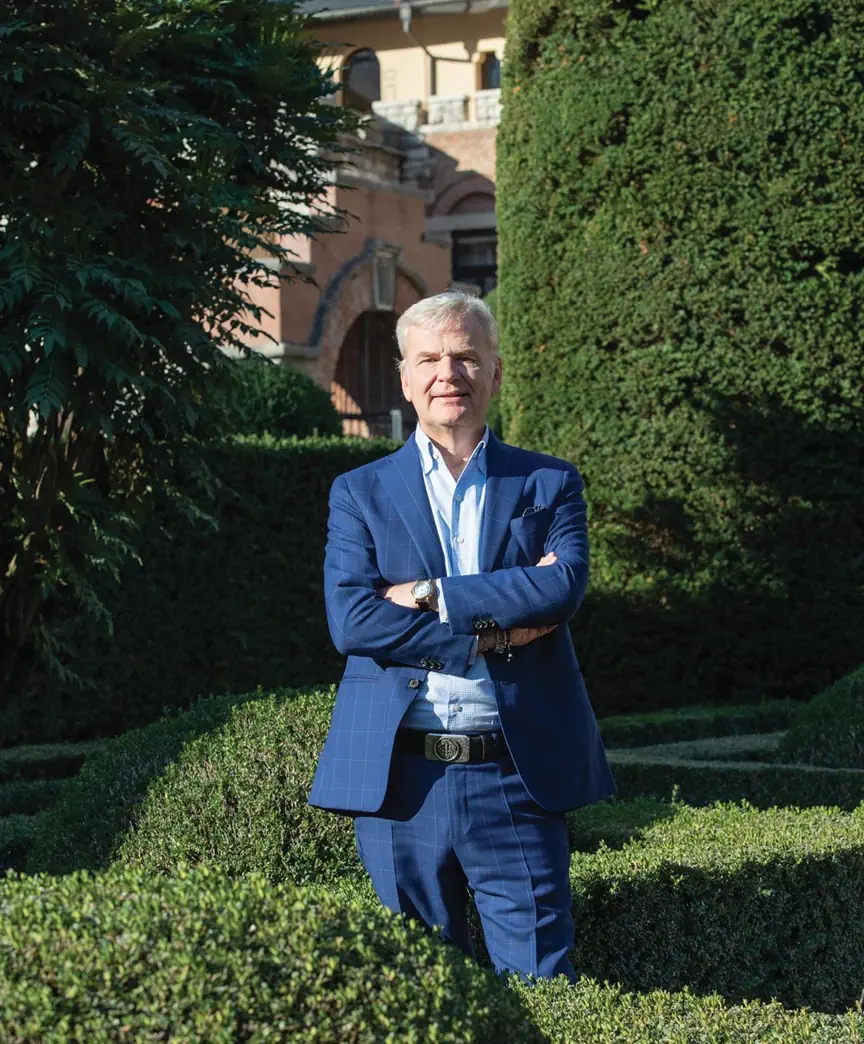
While Pietro focuses on group strategy and financial direction, Franco plays a more hands on role in manufacturing and operations at the historic Gardone Val Trompia factory.
Previous generations divided responsibilities between manufacturing and international expansion. Today, Franco oversees production projects and maintains close dialogue with technical teams. He travels frequently to trade shows and markets to stay connected with customers and industry trends.
He is also preparing the next generation. His son Carlo has entered the company and is being trained in a similar operational role.
Investment in digital manufacturing is a priority. Franco believes growth depends on improving digital capabilities, upgrading equipment, and developing specialized skills across the workforce.
Heritage Meets Innovation
Balancing tradition and innovation is not a marketing phrase at Beretta. It is operational philosophy.
Franco describes it as part of the company’s DNA. The Gardone factory remains the only place where tradition and modern process fully merge. Craftsmanship is preserved, but change is constant.
In earlier generations, major technological shifts occurred every 20 years. Today, change happens every two or three years. Digital transformation and artificial intelligence are becoming part of manufacturing strategy. While skilled workers remain essential, AI tools are being integrated to improve efficiency and precision.
Innovation in Shotguns and Ammunition
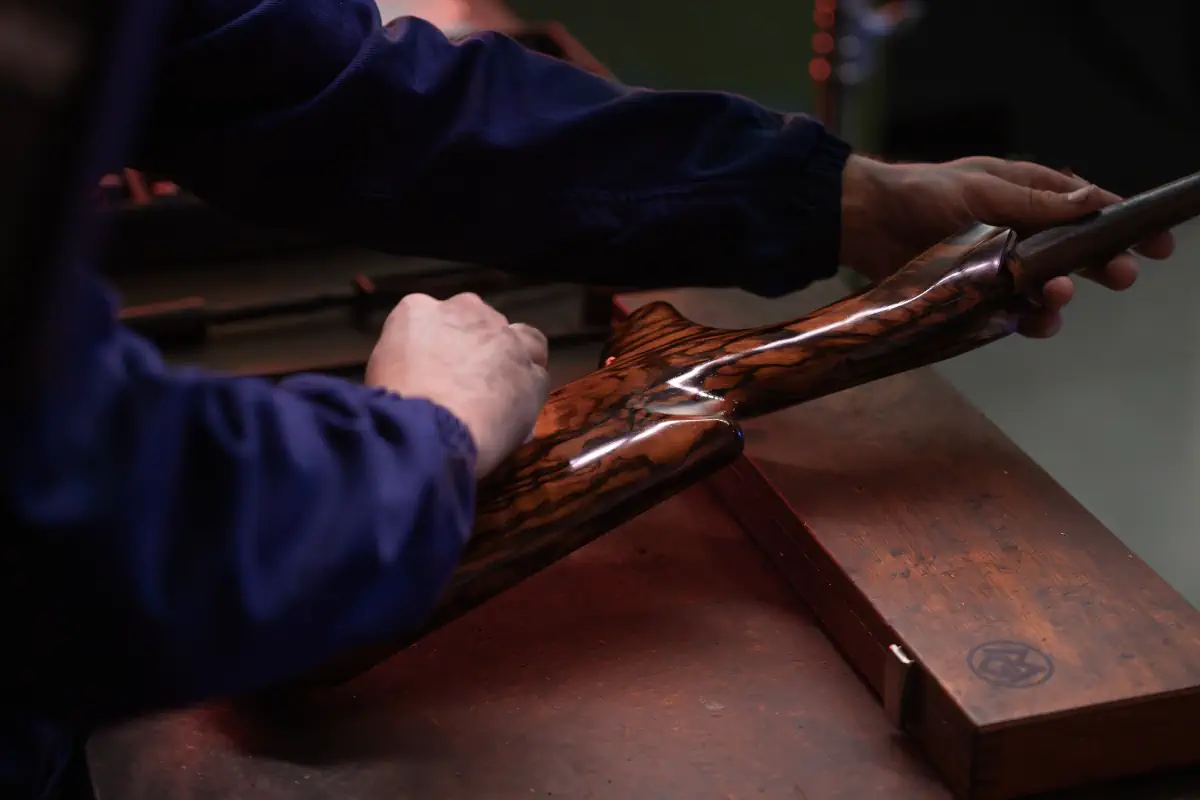
Beretta has a long history of segment defining shotgun innovation. The company introduced its first over under shotgun in 1933 and its first semiautomatic in 1955.
Today, innovation increasingly combines firearm and ammunition development. Ammunition technology has evolved gradually, but Beretta sees opportunity in deeper integration between the two categories.
Competitive shooting plays a key role. Professional champions provide direct feedback to engineers, helping refine materials, barrel construction, and shot performance. Details matter at the highest levels of competition. The firearm must feel like an extension of the shooter’s body.
Recent innovations include Benelli’s Advanced Impact barrel system, designed to extend effective range. Tests have demonstrated clay breaks at distances once considered unrealistic.
From Firearms to Ecosystem
Beretta no longer defines itself as only a firearm manufacturer.
Three decades ago, the company expanded into clothing and accessories. Today, leadership views this as essential to delivering a complete field experience. From boots to outerwear, the goal is to enhance the performance and comfort of shooters and hunters.
The future lies in creating an integrated ecosystem of products that serve customers across every aspect of their experience.
The M9 and Global Reputation
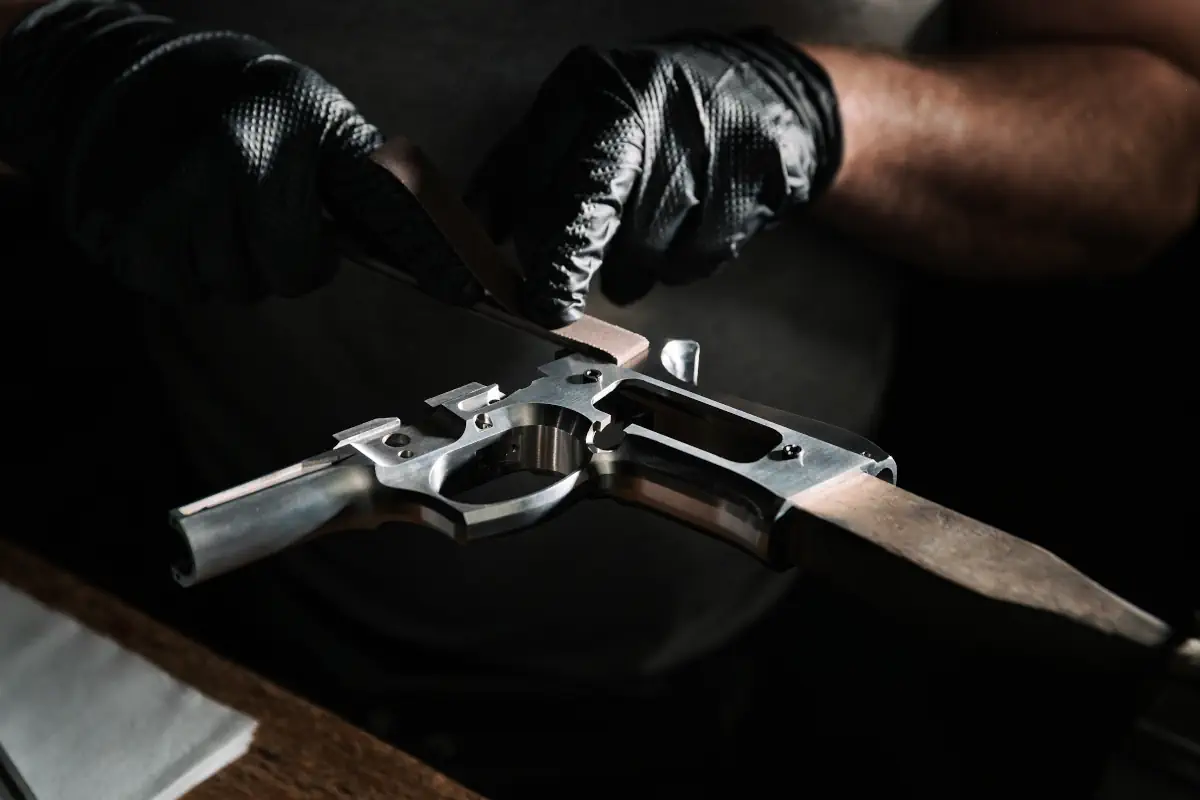
Few milestones shaped Beretta’s modern reputation more than winning the U.S. military pistol contract in 1985 with the 92 series, adopted as the M9.
However, Franco emphasizes that winning the contract was only part of the achievement. Fulfilling it at scale transformed the company. Meeting the demands of the U.S. Armed Forces required operational discipline and manufacturing excellence. It elevated Beretta from a respected family company to a global defense leader.
A Long Term Mindset
When asked what advice he would give his younger self, Pietro describes himself as a translator. Each generation receives the company temporarily, not for personal gain, but to pass it forward stronger than before.
That mindset defines Beretta’s approach. Investments are made for future generations. Dividends are sacrificed for innovation. Change is embraced without abandoning craftsmanship.
As Beretta approaches its 500th anniversary, the formula remains consistent: protect heritage, invest in technology, support customers, and prepare the next generation.
After five centuries, the family legacy is not a relic of the past. It is a framework for the future.
Featured Products
-
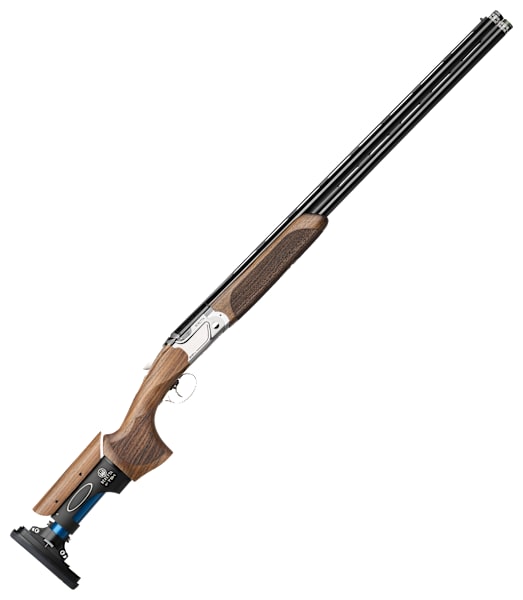
Beretta 694 PRO Sporting Over/Under Shotgun with TSK Stock
$7,199.00- Multi-Adjustable TSK Stock
- 3-position, user-adjustable trigger
- Steelium Plus barrel construction
-
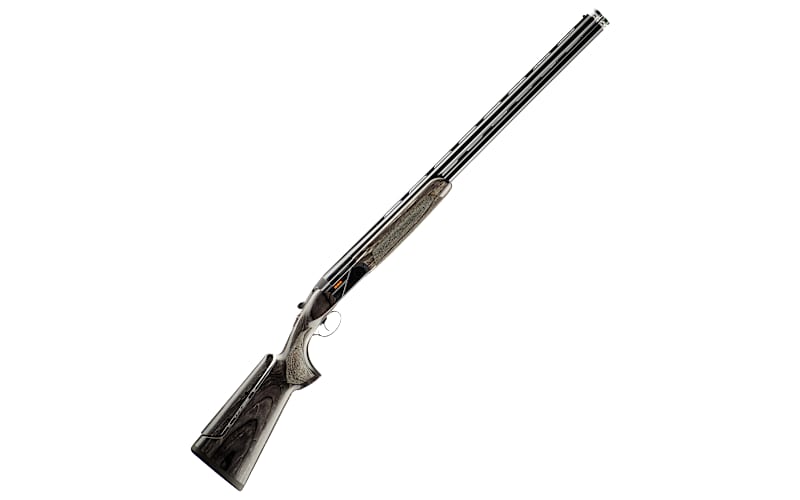
Beretta 688 Performance Sporting B-Fast Over/Under Shotgun
$3,699.00- Adjustable trigger reach
- Smoother opening lever
- Steelium Optimabore HP barrels
-
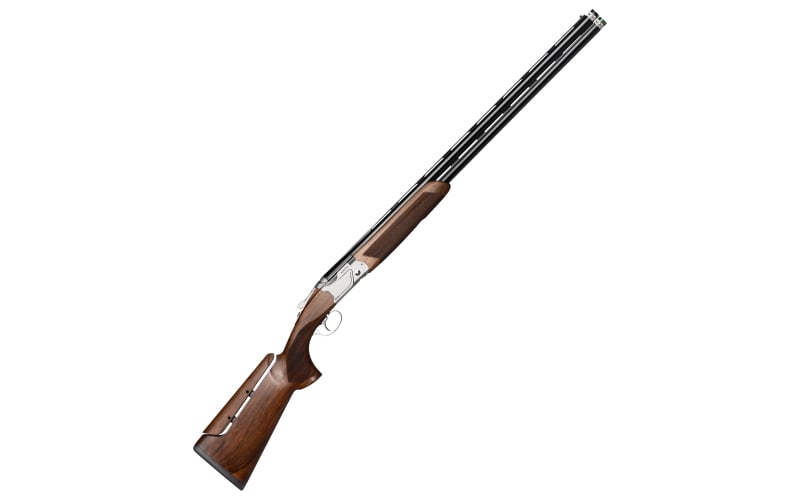
Beretta 694 Sporting B-Fast Over/Under Shotgun
$5,949.99- 3-position, user-adjustable trigger
- Tang-mounted safety
- Steelium Plus barrel
-
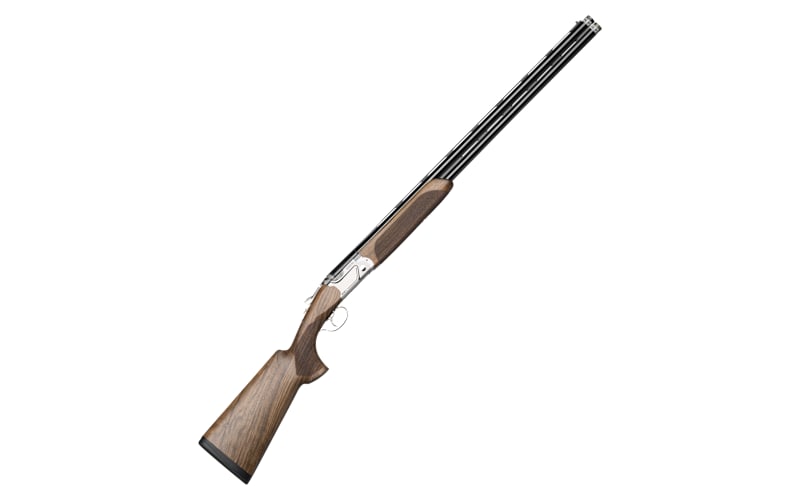
Beretta 694 Sporting Over/Under Shotgun
$5,699.00- MicroCore recoil pad
- Streamlined action and stock
- Steelium Plus barrel
- 847 views